
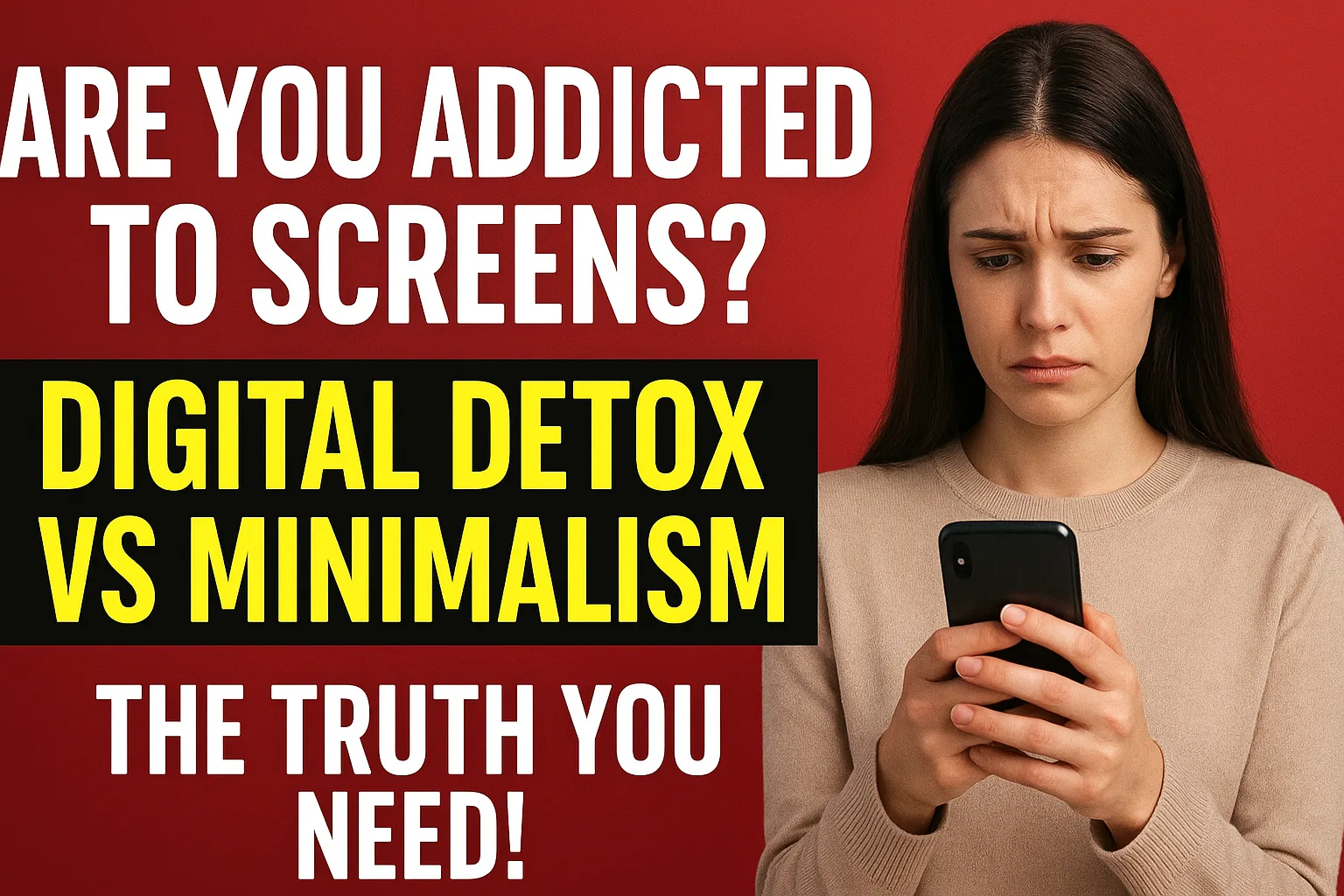
In today’s hyper-connected world, most of us spend more hours staring at screens than at the sky. Social media pings, endless notifications, binge-worthy streaming, and the irresistible scroll of short videos have rewired how we live. While digital tools bring convenience and opportunities, they also overwhelm us with distractions and mental fatigue. That’s where two popular approaches have emerged: Digital Minimalism and Digital Detox.
But the question is: which is better? Should we completely step away from screens from time to time, or should we redesign our relationship with technology altogether? Let’s break this down.
Table of Contents
What is Digital Minimalism?
Digital Minimalism is a lifestyle philosophy popularized by author Cal Newport. The idea is not to abandon technology but to use it intentionally. Just like minimalism in life focuses on keeping only what adds value, digital minimalism encourages us to keep only the apps, tools, and online habits that serve our goals and bring meaning.
Key principles of digital minimalism:
Your Leadership Story Deserves the Spotlight
Get featured on TheAshNow — the editorial platform trusted by founders, CEOs & executives worldwide for Google visibility, LinkedIn authority & global recognition.
Apply for Featured Profile →- Audit your digital life: Identify which apps, platforms, and devices add real value and which don’t.
- Prioritize quality over quantity: Use fewer apps, but in meaningful ways.
- Set boundaries: For example, no phones during meals, or checking email only twice a day.
- Replace passive scrolling with high-value offline activities like reading, exercise, or face-to-face conversations.
Essentially, digital minimalism is about building a healthier, sustainable relationship with technology rather than rejecting it.
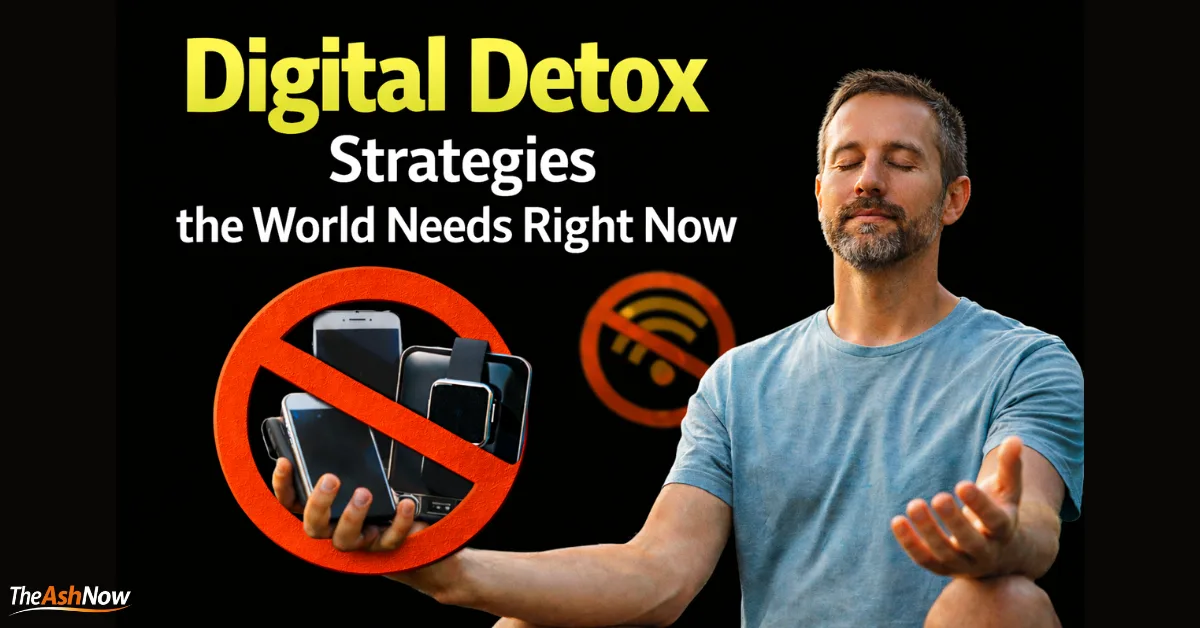
- Digital Detox Strategies the World Needs Right Now

- Benefits of Digital Detox in a Hyper-Connected World
- Inside a Digital Detox Retreat — Life Without Screens
- Best Digital Detox Apps to Beat Phone Addiction in 2026
- The Digital Detox Book for a Calmer Mind





What is Digital Detox?
Digital Detox is a short-term break from technology. It means disconnecting from smartphones, social media, and digital platforms for a certain period—hours, days, or even weeks. The goal is to reset your mind, reduce stress, and rediscover life beyond the screen.
Common digital detox practices include:
- Weekend social media fasts.
- Tech-free vacations.
- Designated “no-screen” days.
- Turning off all devices after a certain time at night.
Digital detoxes can be refreshing, like pressing the reset button for your brain. However, they are temporary by design—you step away, recharge, and then return to your regular digital life.
The Benefits of Each
Benefits of Digital Minimalism:
- Sustainable long-term balance with technology.
- Reduced digital clutter and fewer distractions.
- Increased focus, productivity, and intentional living.
- Freedom from “FOMO” (fear of missing out).
Benefits of Digital Detox:
- Immediate stress relief and mental clarity.
- Restored sleep cycles and reduced eye strain.
- Time for deep reflection, creativity, and relaxation.
- A chance to experience real-world presence without digital interference.
The Drawbacks
Drawbacks of Digital Minimalism:
- Requires consistent discipline and self-awareness.
- Hard to implement when work or studies demand heavy tech use.
- Slow process; results build over time, not instantly.
Drawbacks of Digital Detox:
- Effects are temporary—after the detox, old habits may return.
- May feel disconnected from work, friends, or opportunities.
- Hard to sustain in a digital-first economy.
Digital Minimalism vs Digital Detox: What’s Better?
The truth is, neither is objectively “better”—they serve different purposes. Think of them as complementary rather than competing.
- Digital Detox is like taking a vacation: you pause, recover, and refresh. It’s perfect when you feel burnt out or overwhelmed.
- Digital Minimalism is like redesigning your lifestyle: it’s sustainable, long-term, and focuses on intentional technology use every day.
If you only detox without practicing minimalism, you’ll likely return to the same cycle of digital overload. On the other hand, if you practice minimalism but never take a detox, you might miss out on the mental reboot that a full disconnect provides.
The sweet spot is using both together: occasional detoxes to reset and digital minimalism as your guiding philosophy for daily life.
Practical Tips for Balance
- Start with a mini detox – Try a 24-hour social media fast and notice how you feel.
- Audit your apps – Delete apps that waste your time or trigger compulsive use.
- Set intentional rules – For example, no phone use after 9 PM.
- Replace digital with analog – Read a physical book, go for a walk, or journal instead of scrolling.
- Schedule detoxes regularly – A weekend every month or a few hours every day.
Conclusion
We don’t need to choose between digital minimalism and digital detox—they’re two sides of the same coin. Detox helps us pause and regain perspective, while minimalism ensures that perspective lasts. In the end, the goal is the same: to reclaim control over our attention, reduce mental clutter, and live more intentionally in a digital-first age.
The question is not whether to detox or go minimal, but how to combine both so technology serves your life, rather than controls it.
Frequently Asked Questions (FAQs)
1. What is the main difference between digital minimalism and digital detox?
Digital minimalism is a long-term lifestyle choice where you use technology intentionally, while digital detox is a short-term break from all digital devices.
BUILD YOUR LEGACY IN PRINT
Editorial features for founders, CEOs & executives — engineered for search visibility, LinkedIn credibility & industry authority.
APPLY NOW →2. Is digital detox effective for mental health?
Yes. A digital detox can reduce stress, improve sleep, and help you reconnect with real-life activities, but the effects are temporary unless combined with healthier digital habits.
3. Can I practice digital minimalism without doing a digital detox?
Yes, but many people find detoxing first makes it easier to adopt minimalism, since it gives a “reset” before building new digital habits.
4. How often should I do a digital detox?
It depends on your lifestyle. Some prefer weekend detoxes every month, while others benefit from daily “no-screen” hours in the evening.
5. Which is better for long-term productivity: digital detox or minimalism?
Digital minimalism is better for sustained productivity because it reshapes your relationship with technology, while detox works as a short-term reset.
6. Can digital minimalism help reduce social media addiction?
Yes. By intentionally keeping only valuable platforms and setting boundaries, digital minimalism is one of the best strategies to reduce social media overuse.
7. What are some quick steps to start digital minimalism?
Audit your apps, delete unnecessary ones, set screen-time limits, and replace scrolling with meaningful offline activities like reading or exercising.





I’ve been following your blog for some time now, and I’m consistently blown away by the quality of your content. Your ability to tackle complex topics with ease is truly admirable.
Wonderful web site Lots of useful info here Im sending it to a few friends ans additionally sharing in delicious And obviously thanks to your effort
[…] Digital Minimalism vs Digital Detox: Which One Truly Improves Your Life? Rewire Your Brain with Digital Silence: Boost Focus & Calm […]