

We live in a time where being constantly online is no longer a choice—it is the default. Smartphones, social media, work notifications, and endless content streams keep our attention fragmented throughout the day. While technology has improved convenience and connectivity, it has also quietly increased stress, anxiety, and mental fatigue.
A digital detox—intentionally reducing or pausing screen use—has emerged as a powerful response to this hyper-connected reality. Below are the most important and evidence-backed benefits of digital detox in today’s always-on world.
Table of Contents
1. Improved Mental Clarity and Focus
Constant notifications train the brain to switch tasks rapidly, reducing deep focus. Digital detox allows the mind to slow down and concentrate on one thing at a time.
Your Leadership Story Deserves the Spotlight
Get featured on TheAshNow — the editorial platform trusted by founders, CEOs & executives worldwide for Google visibility, LinkedIn authority & global recognition.
Apply for Featured Profile →Benefits include:
- Better concentration
- Reduced mental clutter
- Faster task completion
- Improved problem-solving ability
Many people report sharper thinking within just a few days of reduced screen exposure.
2. Reduced Stress and Anxiety
Hyper-connectivity keeps the nervous system in a semi-alert state. News alerts, emails, and social media comparisons increase cortisol levels without us realizing it.
Digital detox helps by:
- Reducing information overload
- Limiting exposure to negative news cycles
- Removing pressure to respond instantly
- Creating mental breathing space
This leads to calmer emotional responses and lower baseline anxiety.
RELATED POST
- Digital Detox Strategies the World Needs Right Now

- Benefits of Digital Detox in a Hyper-Connected World
- Inside a Digital Detox Retreat — Life Without Screens
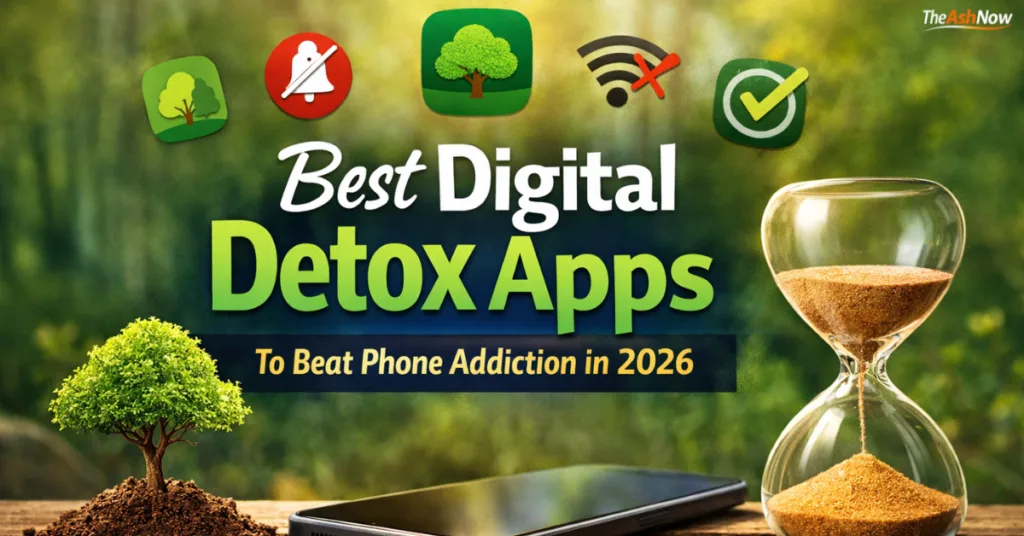
- Best Digital Detox Apps to Beat Phone Addiction in 2026
- The Digital Detox Book for a Calmer Mind





3. Better Sleep Quality
Screen use—especially before bedtime—disrupts sleep through blue light exposure and mental stimulation. Digital detox supports healthier sleep patterns.
Common improvements include:
- Faster sleep onset
- Deeper, uninterrupted sleep
- Fewer nighttime awakenings
- More refreshed mornings
Many people discover their sleep issues were digital habits in disguise.

4. Stronger Emotional Regulation
Constant scrolling often suppresses emotions instead of processing them. Without digital distraction, people become more aware of their emotional states.
BUILD YOUR LEGACY IN PRINT
Editorial features for founders, CEOs & executives — engineered for search visibility, LinkedIn credibility & industry authority.
APPLY NOW →Digital detox enables:
- Better recognition of stress triggers
- Healthier emotional processing
- Reduced impulsive reactions
- Increased emotional resilience
This emotional awareness leads to long-term psychological stability.
5. Enhanced Productivity Without Burnout
Being connected all day feels productive—but often reduces meaningful output. Digital detox removes shallow distractions and restores deep work capacity.
Key outcomes include:
- Higher-quality work
- Less procrastination
- Reduced multitasking fatigue
- Sustainable productivity
Working fewer hours with greater focus becomes possible.
Ad
- Simple Home Gardening Tips for Busy People
- Home Gardening Ideas Everyone Is Trying in 2026
- How to Grow a Micro Garden Anywhere: Balcony, Patio, Apartment Tips for Every Season
- Why Cozy Earth Is Being Called the Most Sustainable Luxury Brand in America
- Top 20 Water-Wise Gardening Ideas That Save You Time, Money, and Water





6. Improved Relationships and Social Connection
Phones often steal attention from real conversations. Digital detox restores presence in relationships.
Positive changes include:
- Deeper conversations
- Better listening skills
- Increased empathy
- Stronger personal bonds
Human connection improves when screens are not competing for attention.

7. Increased Self-Awareness and Mindfulness
Without constant external input, people reconnect with their internal world.
Digital detox encourages:
- Reflection and introspection
- Awareness of habits and impulses
- Mindful decision-making
- Greater appreciation for simple moments
This awareness often leads to lasting lifestyle improvements.
8. Reduced Phone Addiction and Compulsive Behavior
Frequent phone checking is often automatic rather than intentional. Detox breaks this habit loop.
Over time, people experience:
- Fewer unconscious unlocks
- Reduced dopamine dependency
- More intentional tech use
- Better control over attention
Technology becomes a tool again, not a compulsion.
9. Reconnection With the Physical World
Screens pull attention away from sensory experiences. Digital detox reactivates natural awareness.
People begin noticing:
- Sounds, textures, and surroundings
- Natural rhythms of the day
- Body signals like hunger and fatigue
- Joy in offline activities
This reconnection improves overall well-being.
Ad
- Anmol Jaiswal – The Story Behind Indian Backpacker and India’s Most Adventurous Travel Creator
- Joshua Freedman: Emotional Intelligence Leader & CEO
- Alex Hormozi: The Entrepreneur Who Turned Business Growth Into a $100M Playbook
- Alakh Pandey: The Founder of Physics Wallah Who Turned Affordable Education Into a National EdTech Movement
- Kunal Shah: How the FreeCharge and CRED Founder Came to Lead WhatsApp Globally





10. Long-Term Mental Resilience
The most powerful benefit of digital detox is perspective. Once people experience life with reduced digital noise, they make more conscious choices about technology.
Long-term benefits include:
- Healthier screen boundaries
- Reduced burnout risk
- Greater mental independence
- A balanced relationship with technology
Digital detox is not about rejecting modern life—it is about reclaiming control within it.
How to Start a Digital Detox (Realistic Approach)
You do not need to disappear for weeks to benefit. Small changes work.
Practical steps:
- No phone during meals
- Screen-free mornings or evenings
- App usage limits
- Scheduled offline hours
- Phone-free weekends
Consistency matters more than intensity.
Final Thought
In a hyper-connected world, attention has become the most valuable currency. Digital detox is not a luxury—it is a necessity for mental clarity, emotional balance, and meaningful living.
By stepping back from constant connectivity, even briefly, people rediscover something essential: the ability to be fully present in their own lives.

FAQs: Benefits of Digital Detox
1. What are the benefits of digital detox?
The main benefits of digital detox include improved focus, reduced stress and anxiety, better sleep quality, healthier relationships, increased productivity, and greater control over screen habits. It helps people regain mental clarity and emotional balance in a hyper-connected world.
2. What are the benefits of digital detox for students?
For students, digital detox can lead to better concentration, improved academic performance, reduced exam stress, stronger memory retention, and better sleep. Limiting screen time also helps students avoid distractions from social media and improve study discipline.
3. Is there research supporting the benefits of digital detox?
Yes, multiple studies suggest that reducing screen time can lower stress levels, improve attention span, enhance sleep quality, and support overall psychological well-being. Research also links excessive digital use with burnout, anxiety, and reduced cognitive performance, making digital detox a recommended intervention.
4. What are the mental health benefits of digital detox?
Digital detox supports mental health by reducing anxiety, lowering stress hormones, improving mood stability, decreasing social comparison, and enhancing emotional regulation. It also helps reduce symptoms of digital burnout and promotes mindfulness and self-awareness.
5. Can digital detox help reduce phone addiction?
Yes. Digital detox breaks compulsive phone-checking habits, reduces dopamine dependency from notifications, and encourages more intentional technology use. Over time, this leads to healthier screen boundaries and improved self-control.



A really good blog and me back again.
[…] Benefits of Digital Detox in a Hyper-Connected World […]