
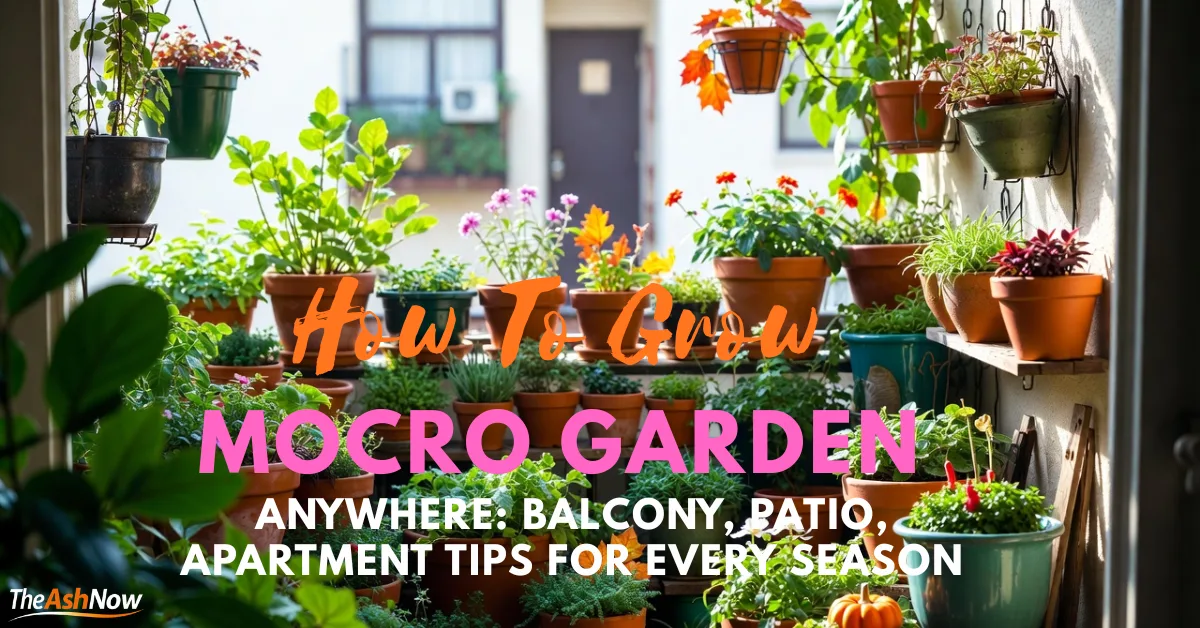
Living in an apartment, condo, or home without a backyard no longer means giving up gardening. Micro gardening makes it possible to grow herbs, vegetables, flowers, and even fruits in the smallest spaces — from balconies and windowsills to patios and rooftops.
With the right techniques, you can create a productive green space almost anywhere, in any climate, and in every season.
This guide shows you exactly how to do that.
What Is a Micro Garden?
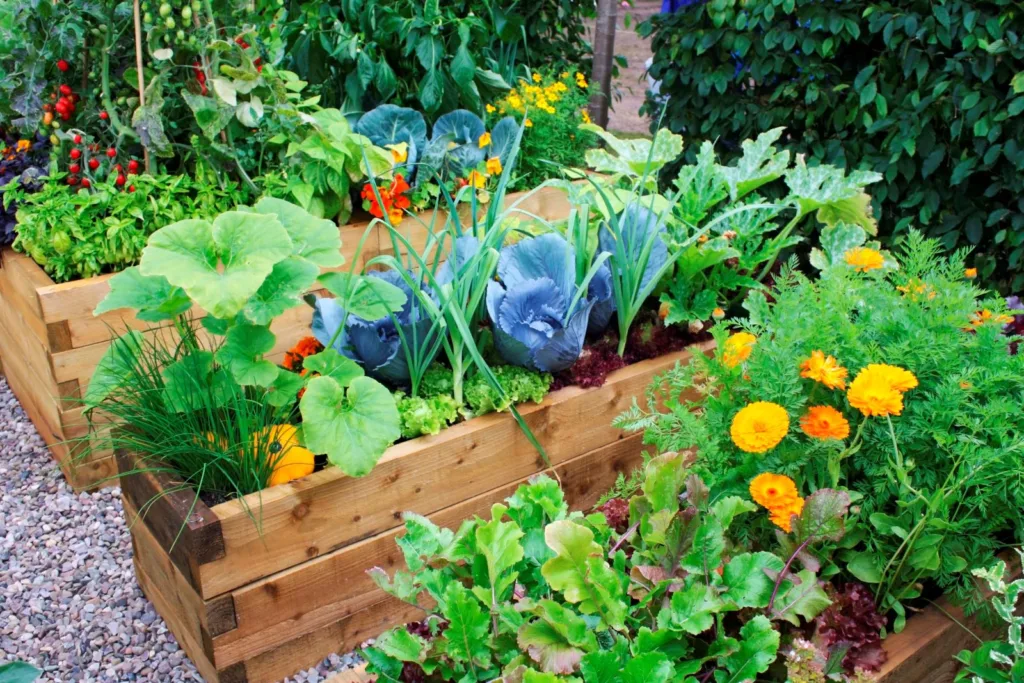
A micro garden is a small-scale garden designed to grow plants efficiently in limited space using containers, vertical structures, and compact planting techniques.
Your Leadership Story Deserves the Spotlight
Get featured on TheAshNow — the editorial platform trusted by founders, CEOs & executives worldwide for Google visibility, LinkedIn authority & global recognition.
Apply for Featured Profile →It focuses on:
- Maximizing yield per square foot
- Using lightweight containers and vertical space
- Selecting compact or fast-growing plant varieties
RELATED POST
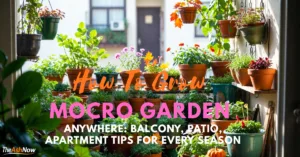


Best Locations for a Micro Garden
Balcony
Balconies are ideal because they receive good sunlight and airflow.
Use:
- Railing planters
- Hanging baskets
- Vertical shelves
Patio
Patios allow slightly larger containers and raised beds.
Use:
- Fabric grow bags
- Rolling planters
- Mini raised beds
Apartment / Indoors
Indoors require artificial light or strong window exposure.
Use:
- Window boxes
- LED grow lights
- Hydroponic or self-watering systems

Choosing the Right Containers
- Use containers with drainage holes.
- Prefer lightweight materials (fabric, plastic, resin).
- For vegetables, choose at least 10–12-inch deep containers.
- Self-watering pots reduce maintenance.
Best Plants for Micro Gardens
Herbs
Basil, mint, parsley, thyme, rosemary, and chives.
Leafy Greens
Lettuce, spinach, arugula, kale.
Vegetables
Cherry tomatoes, chili peppers, radishes, beans.
BUILD YOUR LEGACY IN PRINT
Editorial features for founders, CEOs & executives — engineered for search visibility, LinkedIn credibility & industry authority.
APPLY NOW →Fruits
Strawberries, dwarf citrus, blueberries (in pots).
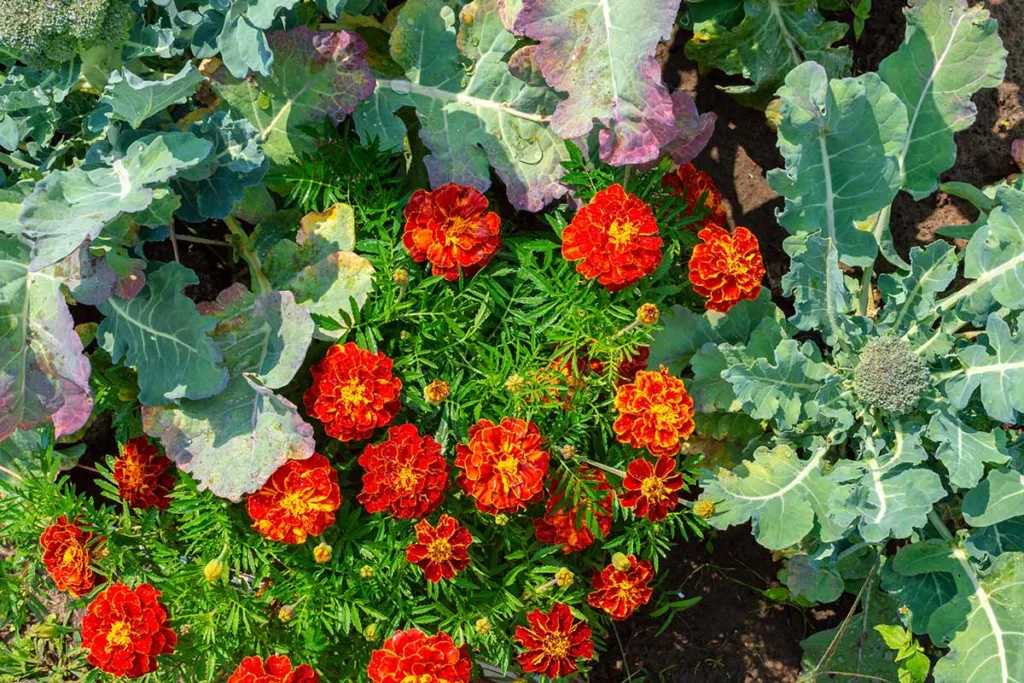
Seasonal Micro Gardening Tips
Spring
- Start seeds indoors.
- Focus on leafy greens and herbs.
Summer
- Grow tomatoes, peppers, and cucumbers.
- Increase watering frequency.
Fall
- Plant spinach, kale, and radishes.
- Protect from cooling temperatures.
Winter
- Shift indoors.
- Use grow lights.
- Grow herbs and microgreens.
FEATURED POST





Vertical Gardening Techniques
- Wall-mounted planters
- Trellises for climbing plants
- Stackable planters
- Hanging baskets
Vertical space is the key to higher yields in micro gardens.
Soil and Nutrition
Use high-quality potting mix, not garden soil.
Add:
- Compost
- Slow-release organic fertilizer
- Worm castings
Feed lightly but regularly.
Watering Tips
- Water when the topsoil feels dry.
- Avoid waterlogging.
- Use drip systems or self-watering containers where possible.

Pest Control for Small Spaces
- Neem oil spray
- Soap-water spray
- Manual removal
Avoid chemical pesticides in small indoor or balcony spaces.
Common Mistakes to Avoid
- Overwatering
- Poor drainage
- Insufficient light
- Overcrowding plants
Benefits of Micro Gardening
- Fresh organic produce at home
- Better air quality indoors
- Stress relief and mental health benefits
- Sustainability and food security
Final Thought
Micro gardening proves that you don’t need land — you need intention.
With thoughtful design, seasonal planning, and smart plant choices, even the smallest spaces can become productive green ecosystems that feed your body and refresh your mind all year long.
VIRAL CONTENT





FAQs
1. What is a micro garden, and how is it different from normal gardening?
A micro garden is a small-scale gardening system designed for limited spaces like balconies, patios, windowsills, and apartments. Unlike traditional gardening that relies on large soil beds and outdoor land, micro gardening uses containers, vertical space, compact plants, and sometimes artificial lighting to grow food and plants efficiently in very small areas.
2. Can I really grow vegetables in an apartment without a balcony?
Yes. Many vegetables grow well indoors if they receive enough light. Leafy greens, herbs, microgreens, and even cherry tomatoes can be grown near sunny windows or under LED grow lights. Using self-watering containers and compact plant varieties makes indoor gardening easier and cleaner.
3. How much sunlight does a micro garden need?
Most edible plants need at least 4 to 6 hours of light daily. South- or west-facing windows usually provide enough light. If natural light is insufficient, full-spectrum LED grow lights can be used for 10 to 14 hours per day to replace sunlight.
4. What are the best plants for a micro gard?
The best plants are compact, fast-growing, and high-yielding. These include herbs like basil and mint, leafy greens like lettuce and spinach, vegetables like cherry tomatoes and peppers, and fruits like strawberries. Microgreens are also excellent for very small spaces.
5. How often should I water a micro gard?
Watering depends on container size, plant type, and temperature. Most micro gardens need watering every one to two days in warm weather and every two to three days in cooler conditions. Always check soil moisture before watering to avoid overwatering.




i enjoy reading your articles, it is simply amazing, you are doing great work, do you post often? i will be checking you out again for your next post. you can check out the best webdesign agency in nuremberg Germany
[…] How to Grow a Micro Garden Anywhere: Balcony, Patio, Apartment Tips for Every Seasonby TheAshNow Team […]