

Easiest Vegetables to Grow: Starting a vegetable garden can feel intimidating, but it doesn’t have to be. Whether you have a large backyard, a balcony garden, or just a few raised beds, some vegetables are incredibly forgiving — even for beginners.
In the United States, climate plays a huge role in gardening success. The USDA has divided the country into Hardiness Zones (1 through 13) based on average annual minimum temperatures. Knowing your zone helps you choose vegetables that thrive in your area.
In this guide, we’ll explore the easiest vegetables to grow, grouped by USA climate zones, along with planting tips, harvest timelines, and beginner-friendly advice.
- Simple Home Gardening Tips for Busy People

- Home Gardening Ideas Everyone Is Trying in 2026
- How to Grow a Micro Garden Anywhere: Balcony, Patio, Apartment Tips for Every Season
- Top 20 Water-Wise Gardening Ideas That Save You Time, Money, and Water
- The Home Gardening Boom: Why Millions Are Growing Their Own Food in 2026



Understanding USA Climate Zones
Before we dive into specific vegetables, here’s a quick breakdown of USDA Plant Hardiness Zones:
Your Leadership Story Deserves the Spotlight
Get featured on TheAshNow — the editorial platform trusted by founders, CEOs & executives worldwide for Google visibility, LinkedIn authority & global recognition.
Apply for Featured Profile →- Zones 1–3: Extremely cold winters (Northern Minnesota, Alaska’s interior)
- Zones 4–5: Cold winters, short growing seasons (Upper Midwest, Northern New England)
- Zones 6–7: Mild to moderately cold winters (Mid-Atlantic, parts of the South)
- Zones 8–9: Mild winters, long growing seasons (Southern states, parts of California)
- Zones 10–13: Tropical/subtropical climates (South Florida, Hawaii, Puerto Rico)
You can check your exact zone on the [USDA Plant Hardiness Map] (without links in your blog, you can reference it without hyperlinking).
1. Lettuce & Salad Greens
Best Zones: 3–10
Why They’re Easy:
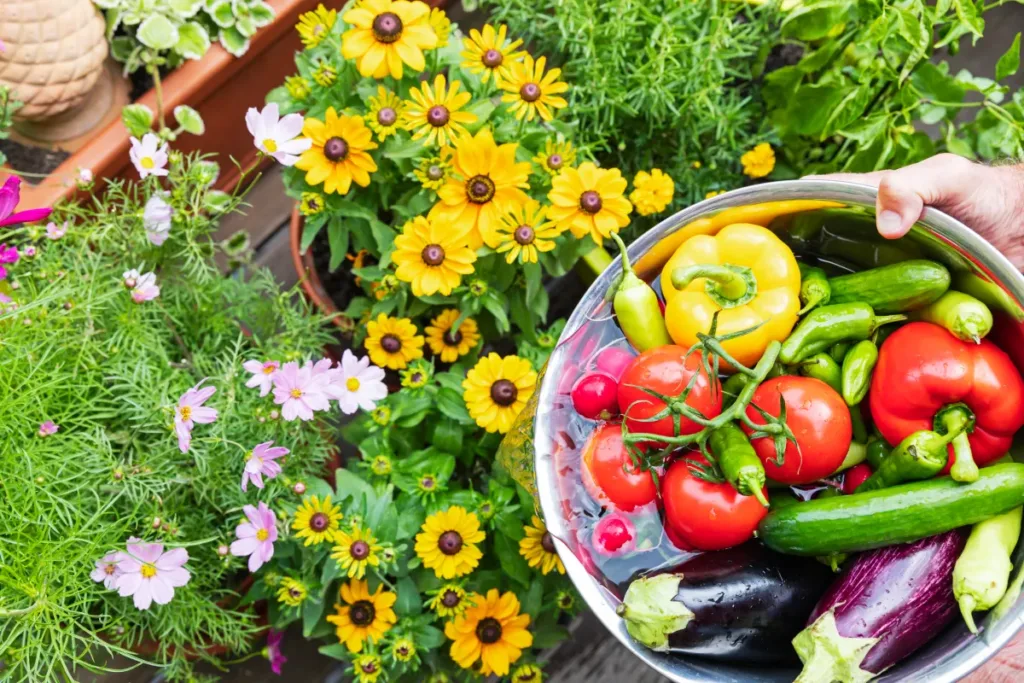
Lettuce, spinach, and arugula are fast-growing, don’t need deep soil, and can be grown in pots or garden beds. They germinate quickly and can be harvested in just a few weeks.
Tips for Beginners:
- Plant in early spring or fall for cooler weather.
- Partial shade is fine; they don’t love intense summer heat.
- Cut outer leaves and let the plant regrow for multiple harvests.
Days to Harvest: 30–50 days
- Government Constitutes High-Powered Task Force on Examination Reforms Under Nandan Nilekani
- Dr. Ashwini Kumar Ashraf: A Life That Refused to Remain in the Dark
- How Vladimir Putin Is Quietly Reshaping the Global Power in 2026?
- How YouTubers Like Dhruv Rathee Are Reshaping Political Awareness in India
- Jensen Huang — The Man Quietly Powering the AI World





2. Radishes
Best Zones: 2–10
Why They’re Easy:
Radishes are one of the fastest-growing vegetables — some varieties are ready in just 3 weeks! They tolerate a range of soils and rarely suffer from pests.
Tips for Beginners:
- Sow seeds directly in the ground; no transplanting needed.
- Keep the soil moist for the best flavor and texture.
- Stagger planting every 1–2 weeks for continuous harvests.
Days to Harvest: 20–30 days
3. Tomatoes (Cherry & Determinate Varieties)
Best Zones: 4–11
BUILD YOUR LEGACY IN PRINT
Editorial features for founders, CEOs & executives — engineered for search visibility, LinkedIn credibility & industry authority.
APPLY NOW →Why They’re Easy:
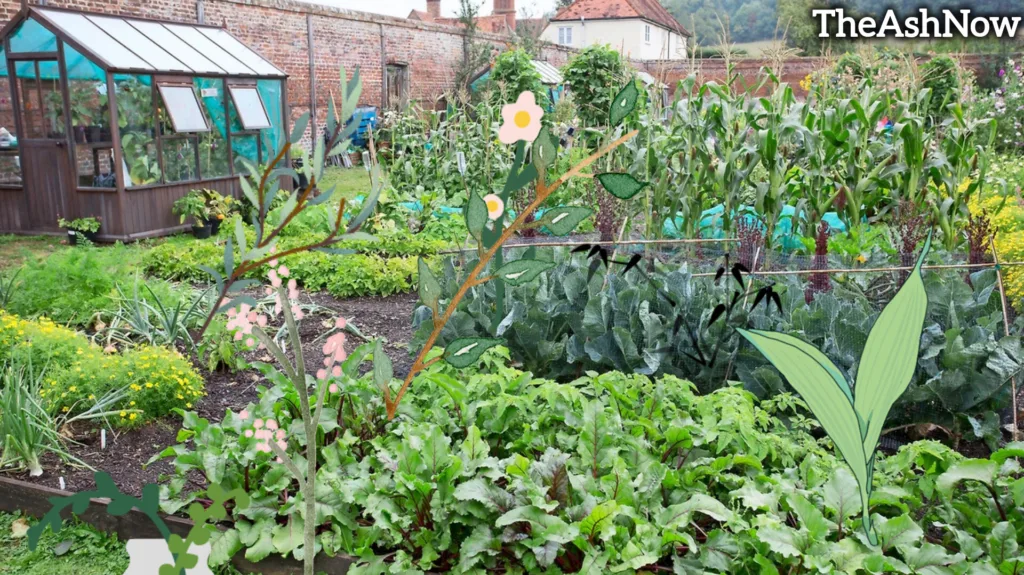
Cherry tomatoes are more forgiving than large beefsteak types. They grow well in containers, require minimal pruning, and produce abundantly.
Tips for Beginners:
- Start seeds indoors in cooler zones; transplant after frost danger passes.
- Full sun is key (6–8 hours daily).
- Stake or cage to keep plants upright and fruit off the ground.
Days to Harvest: 60–75 days
- Digital Detox Strategies the World Needs Right Now
- Benefits of Digital Detox in a Hyper-Connected World
- Inside a Digital Detox Retreat — Life Without Screens
- Best Digital Detox Apps to Beat Phone Addiction in 2026
- The Digital Detox Book for a Calmer Mind





4. Green Beans (Bush Varieties)
Best Zones: 3–10
Why They’re Easy:
Bush beans don’t need trellising, mature quickly, and fix nitrogen in the soil, improving fertility for future crops.
Tips for Beginners:
- Plant after the last frost; they love warm soil.
- Avoid overwatering; let the topsoil dry slightly between waterings.
- Harvest regularly to encourage continuous production.
Days to Harvest: 50–60 days
5. Zucchini & Summer Squash
Best Zones: 3–9
Why They’re Easy:
Zucchini plants are extremely productive. A single plant can produce several pounds of squash over the summer.
Tips for Beginners:
- Space plants well; they grow large.
- Pick fruit when small for the best flavor.
- Watch for powdery mildew — water at the base, not on leaves.
Days to Harvest: 45–55 days
- Why Sugar Prices Are Rising in India: Is Ethanol Behind the Price Surge?
- Colombia Earthquake: A 7.4-Magnitude Disaster Exposes the Human Cost of Seismic Risk Across Western Colombia
- Bankipur By-Election Result 2026 LIVE: Counting Updates, Vote Margin & Latest Trends
- Assam Floods 2026: When the Brahmaputra Turns Into a Sea
- Pralhad Joshi Takes Charge as India’s New Education Minister





6. Peppers (Bell & Banana)
Best Zones: 5–11
Why They’re Easy:
Peppers thrive in warm climates and are relatively pest-resistant. Banana peppers are especially easy and high-yielding.
Tips for Beginners:
- Start indoors in cooler zones; transplant after frost danger.
- Mulch to retain soil warmth.
- Harvest regularly to encourage new fruiting.
Days to Harvest: 60–80 days
7. Carrots
Best Zones: 3–10
Why They’re Easy:
Carrots are low-maintenance, can be sown directly, and store well after harvest.
Tips for Beginners:
- Loosen the soil for straight roots.
- Thin seedlings early to prevent overcrowding.
- Water consistently to avoid splitting.
Days to Harvest: 60–75 days
- India’s 80th Independence Day 2026: History, Significance & Celebrations
- The Truth About Wife Swapping: History, Facts, Laws, Psychology, and Global Trends
- The Time When Bihar Ruled the World: History You Never Knew!

- 20 Next-Level Welcome 2026 Prompts for Ultra-Realistic AI Images
- 2025 World Rewind: The 25 Moments That Defined Our World





8. Cucumbers (Bush Varieties for Small Spaces)
Best Zones: 4–12
Why They’re Easy:
Cucumbers grow quickly, and bush varieties work well in containers or small gardens.
Tips for Beginners:
- Provide a small trellis for better airflow and cleaner fruit.
- Pick regularly to keep plants producing.
- Keep the soil consistently moist.
Days to Harvest: 50–70 days

Beginner Gardening Tips for All Zones
- Know Your Frost Dates – Plant too early and seedlings may die; plant too late and you miss the season.
- Start Small – Focus on 3–5 vegetables your family eats often.
- Use Raised Beds or Containers – Better soil control and fewer weeds.
- Mulch – Retains moisture and suppresses weeds.
- Water Deeply, Not Often – Encourages deep root growth.
Final Thoughts
Growing vegetables doesn’t have to be complicated. By choosing beginner-friendly crops suited to your USDA hardiness zone, you’ll set yourself up for a rewarding harvest. From crisp lettuce to juicy tomatoes, the easiest vegetables often offer the biggest taste rewards for the least amount of effort.
Once you get comfortable, you can experiment with more challenging crops — but for now, keep it simple, enjoy the process, and savor your homegrown food.

FAQs: Easiest Vegetables to Grow
1. What is the easiest vegetable to grow in the USA?
Lettuce and radishes are among the easiest vegetables to grow in most U.S. climates because they germinate quickly, need little maintenance, and can be harvested in weeks.
2. Which vegetables grow fastest for beginners?
Radishes, lettuce, and spinach are some of the fastest-growing crops, often ready to harvest within 20–40 days.
3. Do I need a large garden to grow vegetables?
No. Many vegetables like cherry tomatoes, lettuce, and bush beans grow well in containers, making them perfect for small spaces or balconies.
4. How do I know my USDA climate zone?
The USDA Plant Hardiness Zone Map classifies regions based on average winter temperatures. You can check your zone by searching for it online or using your ZIP code in gardening tools.
5. When should I plant vegetables in my area?
It depends on your frost dates and climate zone. Cool-season crops (lettuce, spinach, carrots) are planted in early spring or fall, while warm-season crops (tomatoes, peppers, cucumbers) are planted after the last frost.
6. Can beginners grow vegetables year-round?
In warmer zones (8–13), you can grow vegetables year-round with seasonal adjustments. In colder zones, you may need greenhouses or indoor growing setups during winter.
7. What is the most low-maintenance vegetable?
Zucchini and green beans are highly productive, pest-resistant, and require minimal care once established.





Love how scratch cards mix luck and thrill! It’s amazing how AI tools, like those found in are now making games smarter and more engaging. Fun meets future!