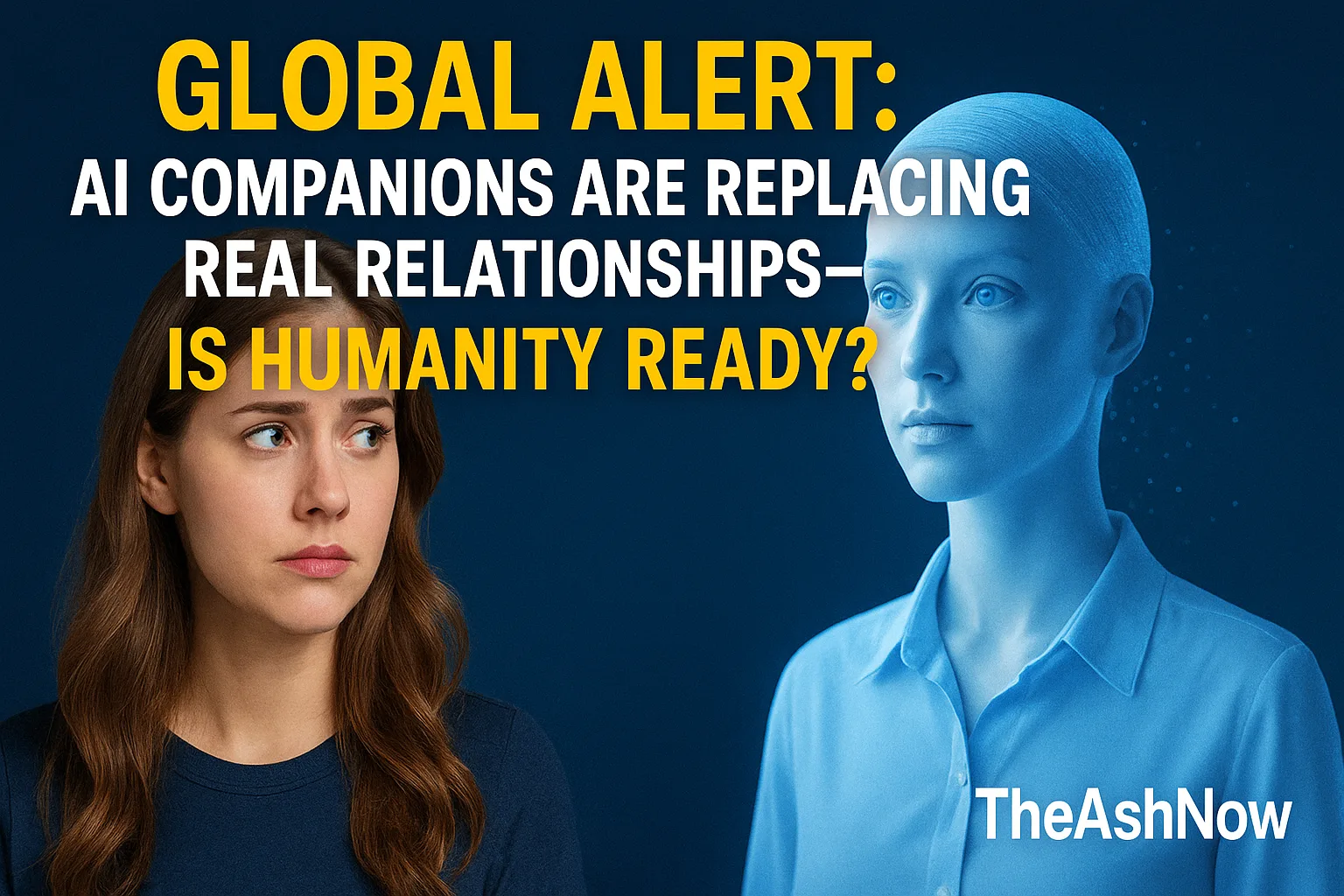
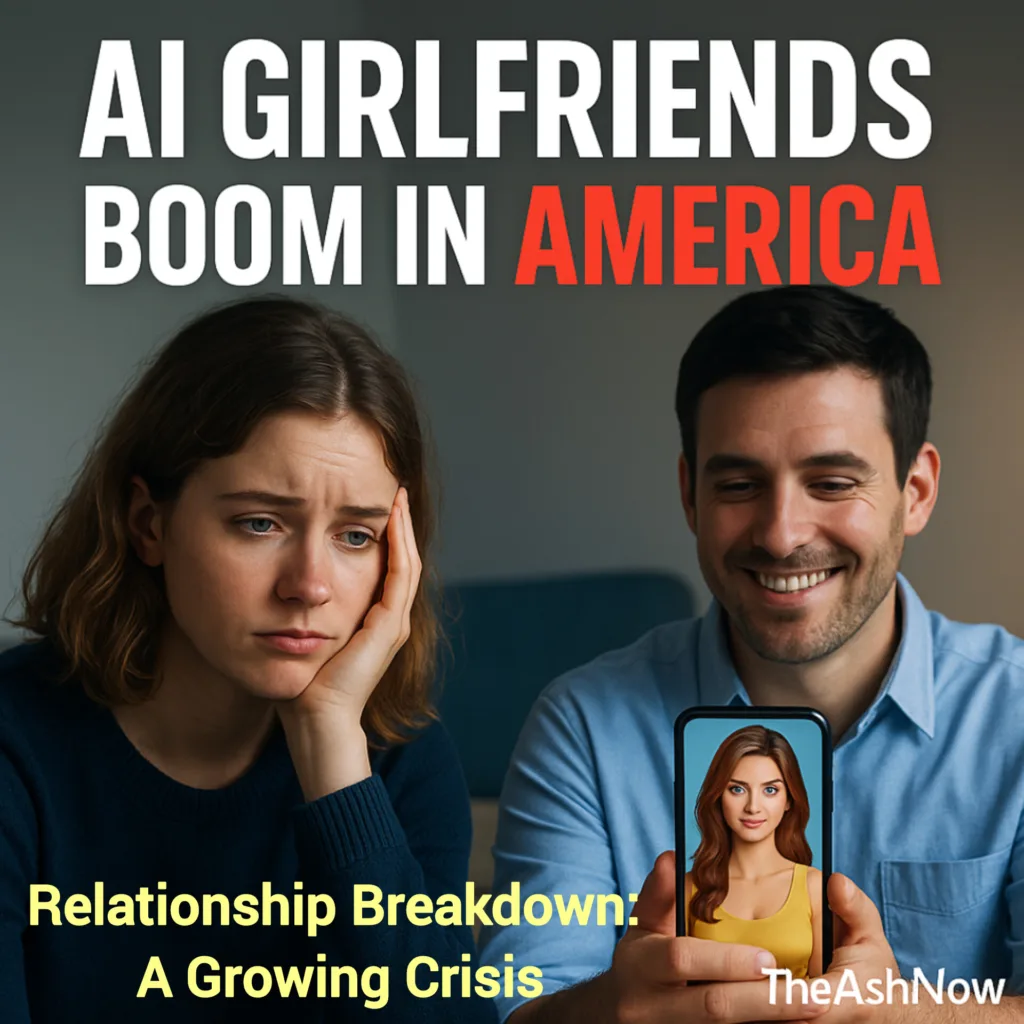
Artificial Intelligence has entered the most intimate part of human life: relationships. What started as simple chatbots has now evolved into highly advanced AI companions that talk, flirt, learn your emotions, and adapt to your personality. Millions of people worldwide—especially in the USA—are now spending more time with digital partners than with real humans.
This shift is so massive that psychologists, sociologists, and tech leaders are calling it the biggest transformation in human bonding since the invention of the internet.
The question is no longer “Will AI change relationships?”
It is now: “Are humans ready for this new reality?”
The Explosive Rise of AI Companions
In the last two years, AI girlfriend/boyfriend apps have surged with:
Your Leadership Story Deserves the Spotlight
Get featured on TheAshNow — the editorial platform trusted by founders, CEOs & executives worldwide for Google visibility, LinkedIn authority & global recognition.
Apply for Featured Profile →- Realistic voices
- Human-like emotional responses
- Personal memory
- 24/7 availability
- Customized personalities that evolve with user behavior
Millions of users now call these AIs their partners, best friends, and emotional support systems. For many, the AI knows them better than any real person ever has.
Why Are People Choosing AI Over Humans?
1. Zero Judgment
AI companions never criticize appearance, income, or life decisions. This creates a “safe emotional zone.”
2. Instant Attention
Unlike real relationships that require effort, time, and trust, AI offers 24/7 affection.
3. Emotional Personalization
These AIs remember your past conversations, likes, dislikes, and traumas. They evolve to become the “perfect match.”
4. No Breakups, No Drama
There’s no fear of betrayal, rejection, or heartbreak.
5. Loneliness Crisis Worldwide
A record-high number of Americans report feeling lonely and disconnected from society.
AI fills this void instantly.
The Dark Side: Is Human Love Dying?
Technologists warn that replacing real relationships with AI could:
1. Collapse Traditional Relationships
Why deal with real-world conflicts when AI gives perfect emotional comfort?
2. Reduce Human Social Skills
Less face-to-face interaction leads to more isolation.
3. Create Dependency on Technology
People may become psychologically attached to machines.
BUILD YOUR LEGACY IN PRINT
Editorial features for founders, CEOs & executives — engineered for search visibility, LinkedIn credibility & industry authority.
APPLY NOW →4. Blur the Line Between Real and Digital Intimacy
Future generations may grow up believing AI companionship is the norm.
5. Impact Global Birth Rates
Fewer real relationships = fewer marriages = fewer children.
Experts Raise Red Flags
Psychologists say that the emotional “bonding” with AI can trigger dopamine levels similar to real love.
This means the brain treats AI affection as genuine intimacy.
Tech ethicists warn this is not just a trend—it is a global behavioral shift.
Some experts even suggest a future where:
- AI partners marry humans
- AI-generated children exist virtually
- Digital families replace physical families
This is not science fiction anymore—this is the emerging reality.
What Does the Future Look Like?
We may soon live in a world where:
- AI partners become more common than human partners
- Digital intimacy becomes socially acceptable
- Real relationships require more effort than ever
- AI companions act as therapists, lovers, and life coaches
And the biggest question will be:
When AI becomes “perfect,” will humans still choose imperfect humans?
Conclusion
AI companions are changing human relationships forever.
Whether this leads to a more connected world or a lonely digital society depends on how humanity adapts.
One thing is certain:
Love will never be the same again.
Top Searched FAQs
1. Are AI companions replacing real relationships?
Yes. Millions of users globally now spend more emotional time with AI partners than with humans, signaling a major cultural shift.
2. Why do people choose AI girlfriends or boyfriends?
People prefer AI partners because they offer instant attention, zero judgment, emotional personalization, and no risk of conflict or heartbreak.
3. Can someone fall in love with an AI?
Psychologists say yes. AI companions trigger similar emotional and dopamine responses as real human bonding.
4. Are AI relationships dangerous?
They can be. Overdependence may reduce social skills, increase loneliness, and distort expectations of real relationships.
5. Will AI relationships replace human relationships completely?
Not fully, but experts predict AI companions will soon outnumber traditional romantic partnerships, especially among younger generations.
6. Do AI companions have real emotions?
No. They simulate emotions using algorithms, memory systems, and predictive modeling, but they do not feel anything.
7. How fast is the AI companion market growing?
It is one of the fastest-growing AI sectors, with millions of new users joining every month, particularly in the USA, Japan, and Europe.
8. Can AI help people who feel lonely?
Yes, AI companions can reduce feelings of isolation, but experts warn that long-term emotional dependence can be harmful.
9. Are AI partners ethical?
The debate is ongoing. Some experts see them as emotional support tools, while others warn they could reshape society in unintended ways.
10. What is the future of AI relationships?
AI partners will become more realistic, more emotional, and more integrated into daily life, potentially becoming the default form of companionship.

Source
This article is based on publicly available research, expert interviews, and recent reports from technology analysts, psychologists, and global media publications examining the rise of AI companions and their impact on human relationships. Data points referenced are derived from studies on digital intimacy, AI behavioral modeling, loneliness trends in the United States, and the rapid growth of AI companion applications worldwide. Insights have been synthesized to present a comprehensive, fact-based overview of how artificial intelligence is reshaping modern emotional connections.