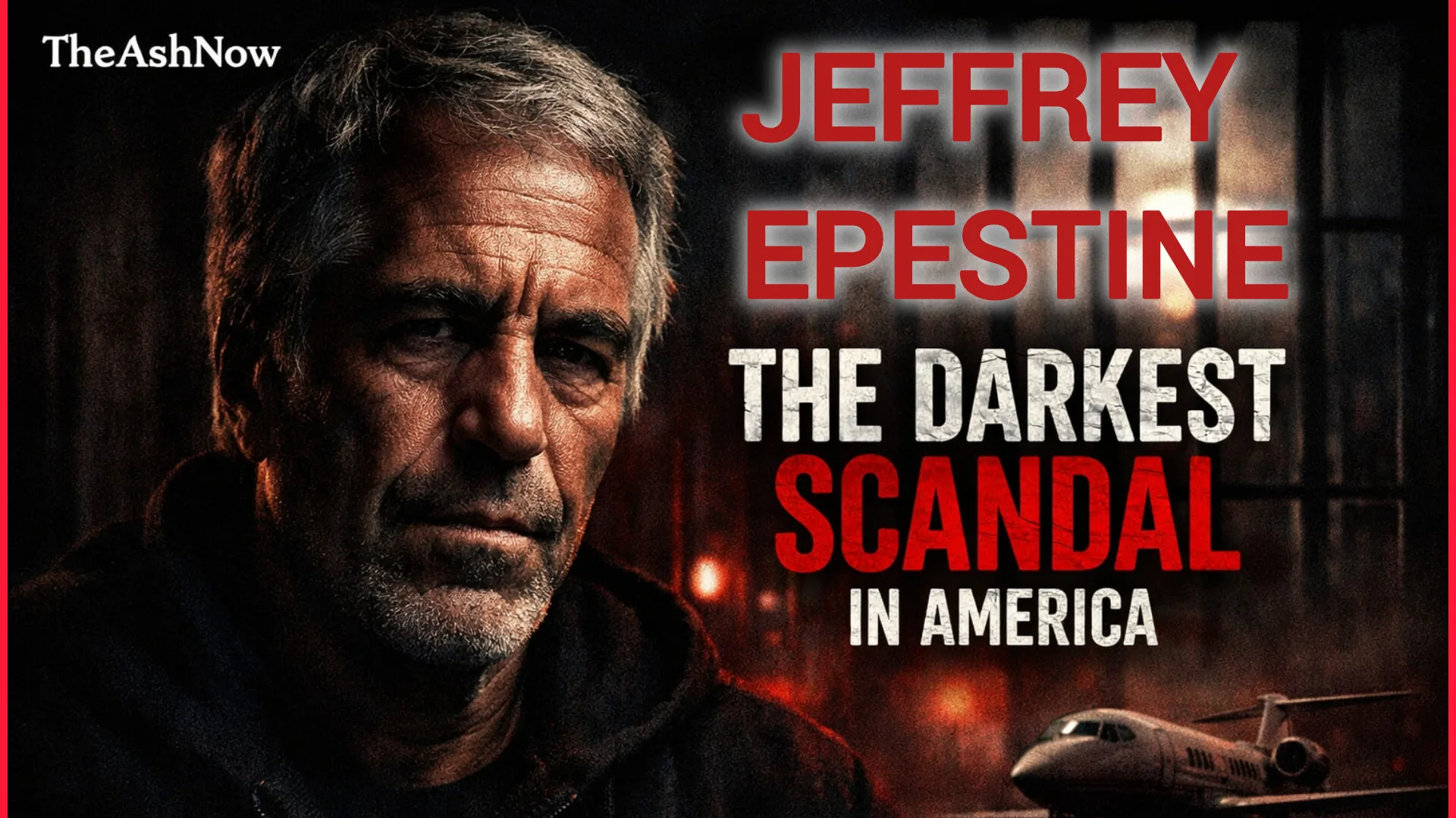
Who Was Jeffrey Epstein? A Name That Refuses to Fade
Few names in modern American history provoke as much unease, anger, and unanswered questions as Jeffrey Epstein. To some, he was a mysterious billionaire with elite connections. To others, a convicted sex offender who exploited power, money, and silence to abuse minors for decades.
Yet Epstein was more than an individual criminal case. His life — and especially his death — exposed uncomfortable truths about how influence operates, how justice can be delayed or diluted, and how entire systems can fail when power concentrates in the shadows.
This is not just the story of one man. It is the story of money without transparency, access without accountability, and crimes hidden behind prestige.
Table of Contents
1. Early Life: Ordinary Origins, Extraordinary Ambition
Jeffrey Edward Epstein was born in 1953 in Brooklyn, New York, to a middle-class Jewish family. His father worked for the city’s parks department, and nothing in Epstein’s early years suggested the life he would later lead.
Your Leadership Story Deserves the Spotlight
Get featured on TheAshNow — the editorial platform trusted by founders, CEOs & executives worldwide for Google visibility, LinkedIn authority & global recognition.
Apply for Featured Profile →Epstein was academically capable but not exceptional. He attended local schools, briefly enrolled at college, but never completed a degree — a fact that later raised eyebrows given how he presented himself among elites.
What Epstein possessed early on was ambition and adaptability. He learned quickly how to mirror powerful people, speak their language, and insert himself into influential circles.

2. From Teacher to Wall Street: The First Leap
In the mid-1970s, Epstein became a math and physics teacher at the prestigious Dalton School in Manhattan — despite lacking formal teaching credentials.
This was his first major pattern:
- Access gained through recommendation
- Credentials overlooked
- Questions quietly ignored
At Dalton, Epstein made connections with wealthy parents, including individuals tied to finance. This exposure proved transformative.
By his mid-20s, Epstein left teaching and entered Wall Street, securing a job at Bear Stearns — an elite investment bank.
His rise was unusually fast.
3. The Mystery of Epstein’s Wealth
One of the most persistent and unresolved questions about Epstein is simple:
How did he really make his money?
Epstein claimed to be a financial genius who managed wealth for billionaires. However:
BUILD YOUR LEGACY IN PRINT
Editorial features for founders, CEOs & executives — engineered for search visibility, LinkedIn credibility & industry authority.
APPLY NOW →- He had very few known clients
- No transparent hedge fund records
- No clear track record comparable to peers
By the late 1980s, Epstein left Bear Stearns under unclear circumstances. Soon after, he founded his own firm, often described as a “private financial management company.”
Yet investigative journalists and prosecutors have long noted:
- His wealth appeared disproportionate to any verifiable business activity
- He owned mansions, a private jet, and a private island
- Financial disclosures remained opaque
This lack of clarity would later fuel theories — but the hard fact remains: Epstein’s finances were never fully explained.
- Government Constitutes High-Powered Task Force on Examination Reforms Under Nandan Nilekani

- Dr. Ashwini Kumar Ashraf: A Life That Refused to Remain in the Dark
- How Vladimir Putin Is Quietly Reshaping the Global Power in 2026?
- How YouTubers Like Dhruv Rathee Are Reshaping Political Awareness in India
- Jensen Huang — The Man Quietly Powering the AI World
- Who Was Jeffrey Epstein? Money, Influence, and the Darkest Scandal in America






4. Building a World of Privilege
By the 1990s, Epstein had constructed a lifestyle that insulated him from scrutiny.
His Assets Included:
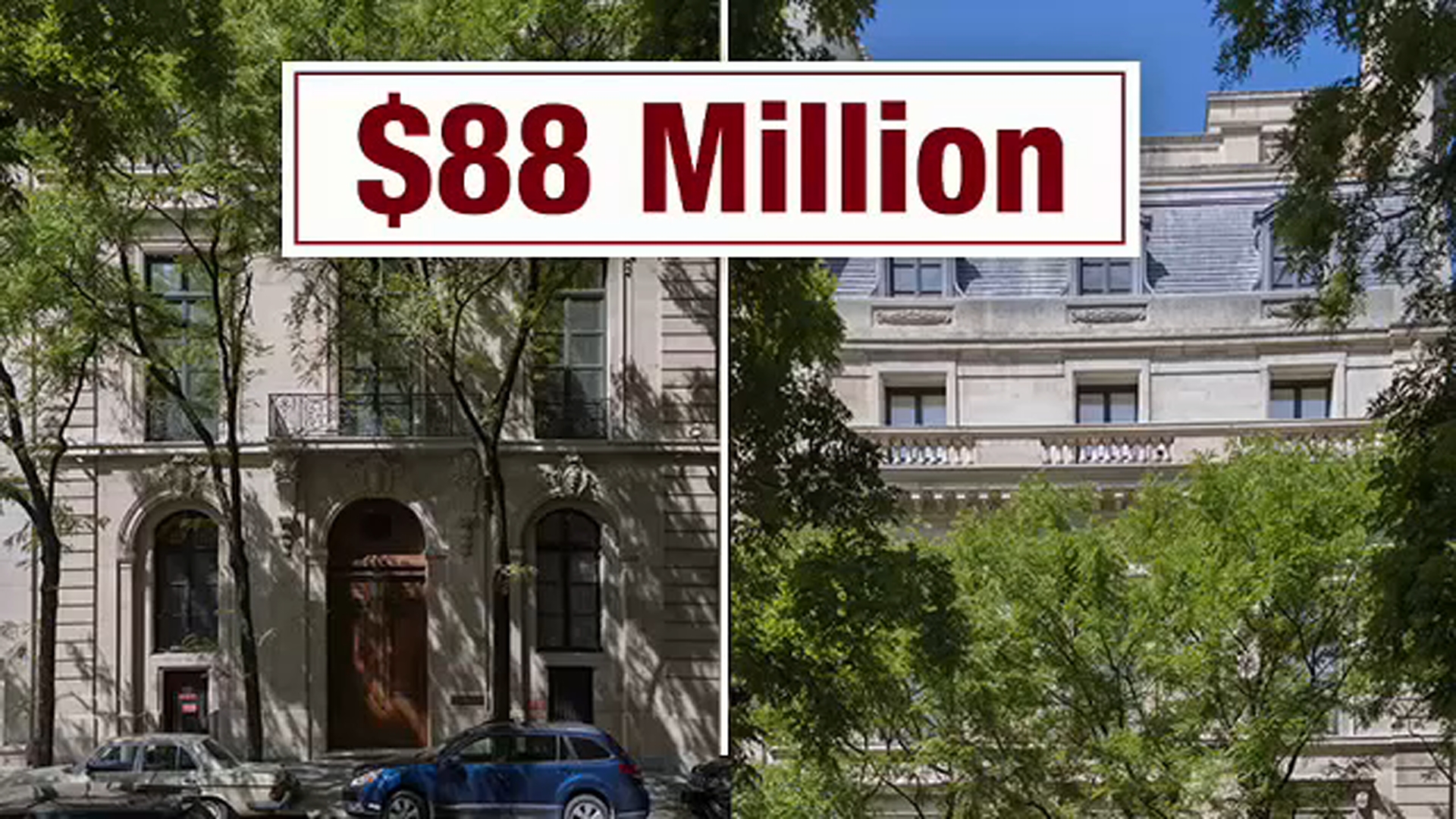
- A Manhattan mansion worth tens of millions
- A sprawling Palm Beach estate
- A private Caribbean island
- A Boeing 727 jet, later nicknamed the “Lolita Express”
These were not just homes. They were controlled environments — places where Epstein set the rules, selected guests, and ensured privacy.
His residences became gathering points for:
- Politicians
- Academics
- Business leaders
- Royal figures
- Celebrities
Association did not always imply wrongdoing. However, the sheer breadth of Epstein’s access remains unprecedented for someone without a public-facing career.
5. The Abuse Network: What Prosecutors Established
Behind the luxury existed something far darker.
According to court records and victim testimony, Epstein:
- Recruited underage girls, often from vulnerable backgrounds
- Paid them for “massages” that escalated into sexual abuse
- Used a network that encouraged victims to recruit others
The pattern was systematic, not incidental.
Victims described:
- Grooming
- Coercion
- Payments framed as “help.”
- Fear of powerful retaliation
This was not a single crime. It was an organized exploitation operation.
6. 2008: The Deal That Shocked America
Perhaps the most controversial moment in Epstein’s story came in 2008.
Despite extensive evidence and multiple victims, Epstein received:
- A lenient plea deal
- Charges limited to state offenses
- A sentence allowing work release
Federal prosecutors agreed not to pursue charges — and crucially, not to prosecute unnamed co-conspirators.
This deal:
- Was negotiated behind closed doors
- Violated standard victim-notification practices
- Protected Epstein from broader accountability
For many, this moment symbolized two systems of justice — one for the powerful, another for everyone else.
7. Life After Conviction: Power Untouched
Even after serving time, Epstein:
- Returned to his mansions
- Continued traveling internationally
- Maintained elite relationships
There was no meaningful social exile.
This period raised a disturbing reality: formal conviction did not dismantle his influence.

8. 2019 Arrest: The Case Reopens
In July 2019, federal prosecutors in New York arrested Epstein on sex trafficking charges involving minors.
This time:
- The charges were federal
- The evidence broader
- Public scrutiny intense
Epstein was denied bail and held at the Metropolitan Correctional Center in Manhattan.
For the first time, it appeared Epstein would face a full trial — with testimony that could implicate others.
9. Death in Jail: What We Know
On August 10, 2019, Jeffrey Epstein was found dead in his jail cell.
The official ruling: suicide by hanging.
However, multiple failures were documented:
- Guards failed to conduct required checks
- Security cameras malfunctioned
- Epstein had been removed from suicide watch earlier
These lapses fueled global skepticism.
10. Why Epstein’s Death Changed Everything
Epstein’s death ensured:
- No trial
- No cross-examination
- No public accounting of his network
For victims, it was devastating.
For the public, it raised profound questions:
- How could such failures occur simultaneously?
- Who benefited from Epstein’s silence?
Whether or not one believes conspiracy theories, the institutional failures are undeniable.
11. The Epstein Files: What They Represent
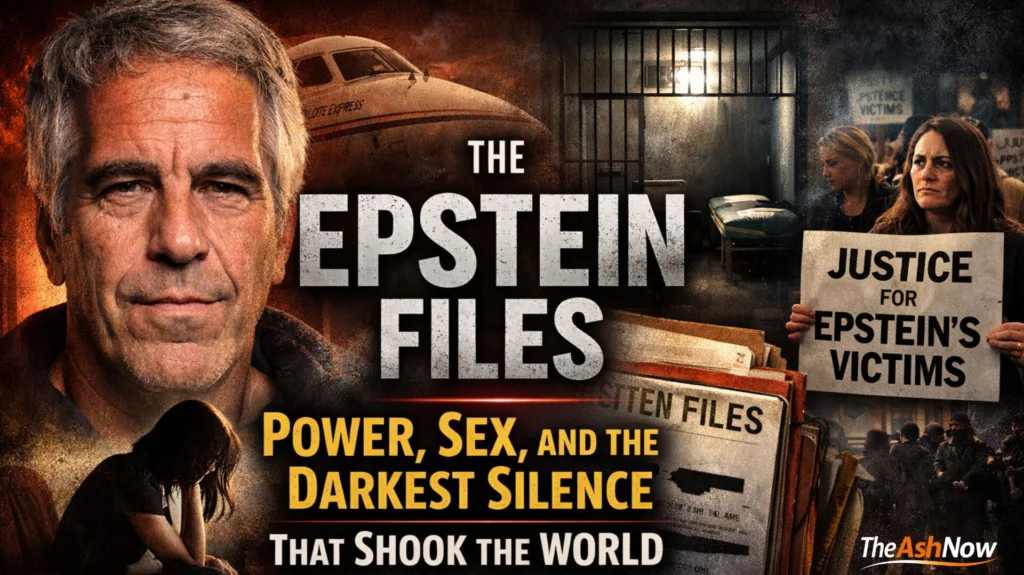
In the years following his death, court documents and unsealed records — often referred to collectively as the “Epstein files” — have continued to emerge.
These documents:
- Detail contacts and flight logs
- Reveal internal communications
- Expose how influence operated quietly
They do not answer everything. But they confirm one truth:
Epstein did not operate alone.
12. Media, Power, and the Culture of Silence
One of the most disturbing aspects of the Epstein saga is how long it remained hidden.
Why?
- Fear of litigation
- Fear of powerful backlash
- Normalization of elite misconduct
The case exposed how media, institutions, and society sometimes look away when influence intimidates accountability.
13. Impact on Victims
Lost amid headlines are the survivors.
Many have spoken about:
- Lifelong trauma
- Fear of retaliation
- The pain of never seeing full justice
Epstein’s death denied them closure. Their fight continues through civil cases and public testimony.
14. Why Jeffrey Epstein Still Matters
Epstein is no longer alive. But his case remains relevant because it asks uncomfortable questions:
- Can wealth purchase silence?
- Do powerful networks protect their own?
- Is justice truly equal?
Until those questions are answered honestly, the Epstein story will never be over.
Conclusion: More Than a Man
Jeffrey Epstein was not just a criminal. He was a mirror — reflecting how power, money, and secrecy can distort justice.
His life revealed the vulnerabilities of modern institutions.
His crimes exposed moral failure.
His death ensured the truth would remain incomplete.
And that, perhaps, is the most disturbing legacy of all.
FAQs — Jeffrey Epstein
1. Who was Jeffrey Epstein, and why is he controversial?
Jeffrey Epstein was an American financier accused of running a large-scale sex trafficking network involving minors, protected for years by wealth and influence.
2. How did Jeffrey Epstein make his money?
Epstein claimed to manage money for billionaires, but the true source of his wealth was never fully explained or transparently documented.
3. What crimes was Jeffrey Epstein accused of?
He was accused of sexually abusing underage girls, trafficking minors, and operating an organized exploitation network over decades.
4. Why was Jeffrey Epstein given a lenient plea deal in 2008?
In 2008, Epstein received a controversial plea deal that limited charges and protected unnamed associates, raising serious concerns about justice inequality.
5. What were the Epstein Files?
The Epstein Files refer to unsealed court documents, flight logs, and records that reveal Epstein’s connections, movements, and the scope of his network.
6. Did Jeffrey Epstein act alone?
Court records and investigations strongly suggest Epstein did not operate alone, though many associates were never criminally charged.
7. How did Jeffrey Epstein die in jail?
Epstein was found dead in his jail cell in 2019. Authorities ruled it a suicide, but multiple security failures fueled global skepticism.
8. Why do people question the official story of Epstein’s death?
Broken cameras, guard negligence, and Epstein’s removal from suicide watch created doubts about how such failures happened simultaneously.
9. What impact did the Epstein case have on victims?
Many victims continue to suffer trauma and feel denied full justice due to Epstein’s death before trial.
10. Why does the Jeffrey Epstein case still matter today?
The case highlights how power, money, and silence can undermine accountability in modern institutions.