Bangladesh Protests: A Country at a Breaking Point
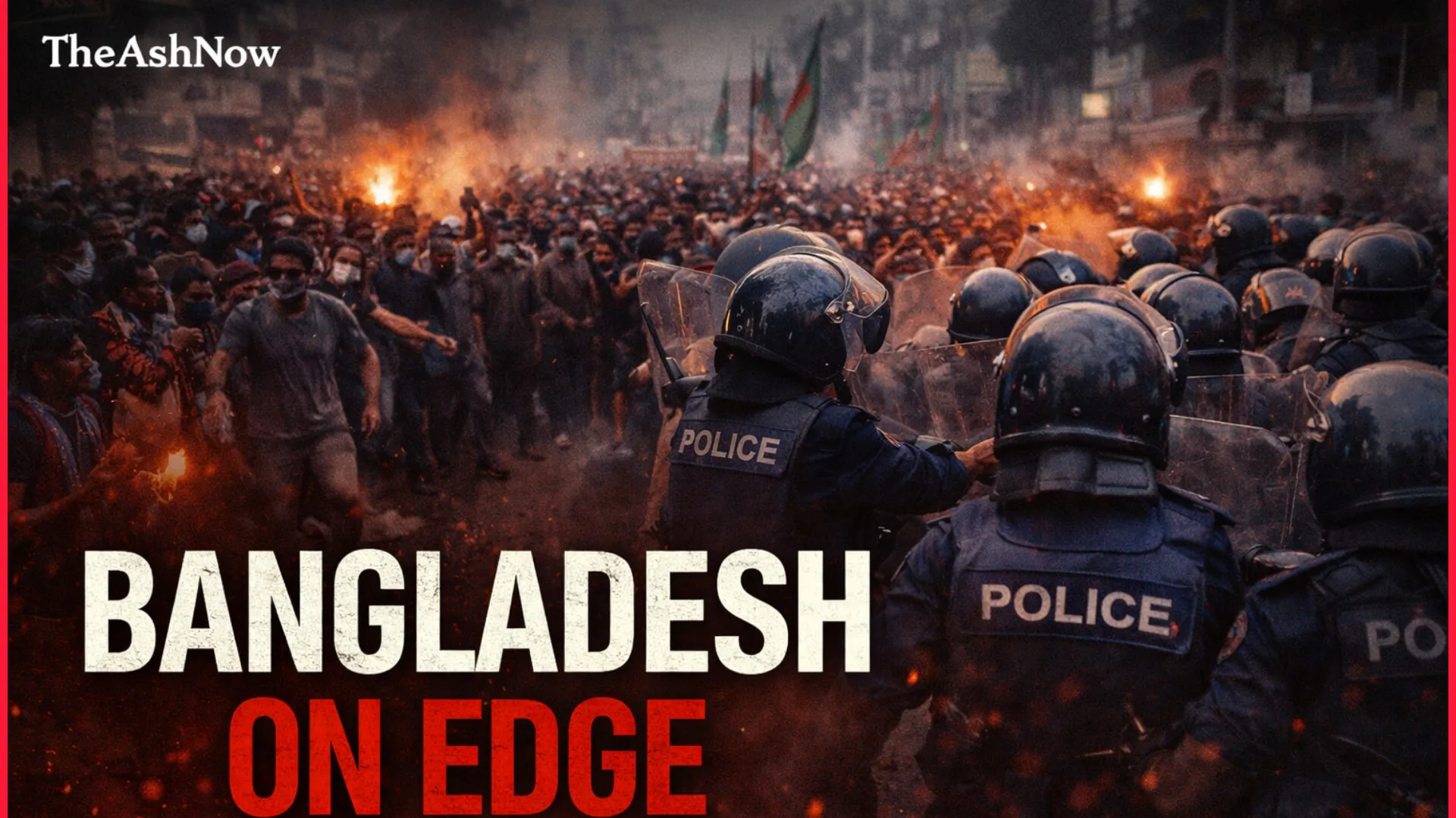
Bangladesh is once again at the center of regional and global attention. Streets filled with protesters, a tense political environment, aggressive law enforcement responses, and deep uncertainty about what comes next have pushed the country into one of its most volatile phases in years.
What is unfolding is not a single protest or an isolated incident. It is the result of long-simmering political tensions, economic stress, governance questions, and a widening trust deficit between the state and the street.
This article explains, step by step, what is happening inside Bangladesh, why it matters far beyond its borders, and what scenarios could realistically emerge next.
Table of Contents
1. The Immediate Situation on the Ground
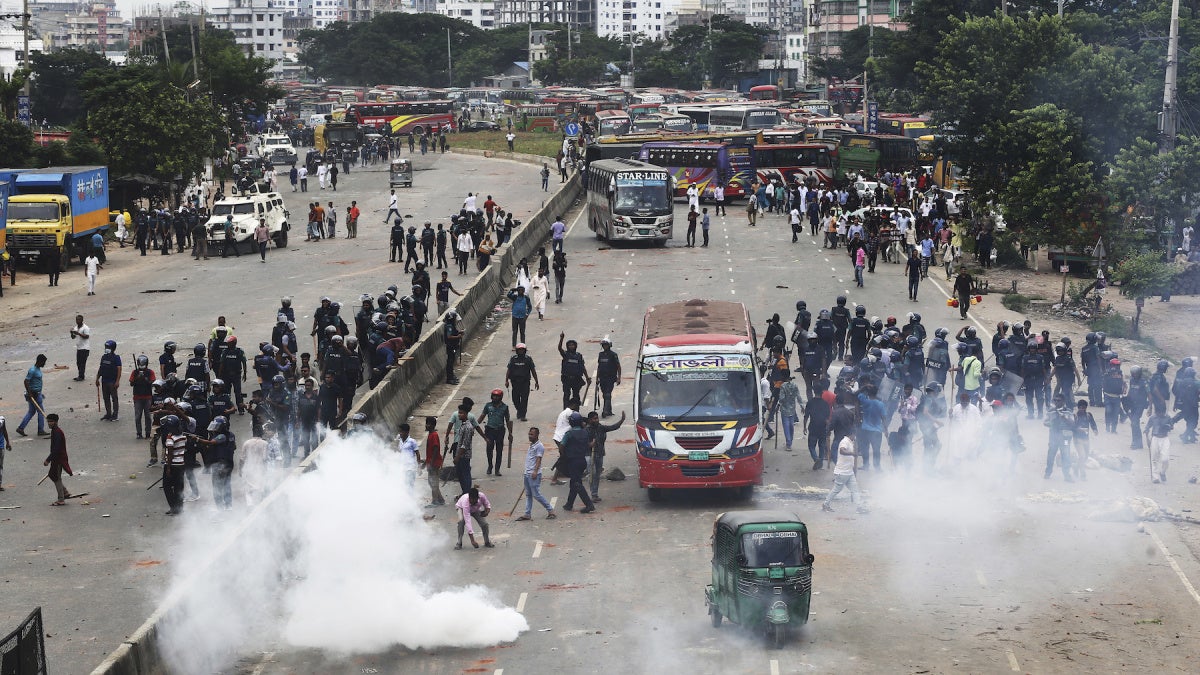
Across major cities, especially the capital, Dhaka, protests have intensified. Demonstrations that initially appeared localized have expanded in size, frequency, and intensity.
Your Leadership Story Deserves the Spotlight
Get featured on TheAshNow — the editorial platform trusted by founders, CEOs & executives worldwide for Google visibility, LinkedIn authority & global recognition.
Apply for Featured Profile →What we are seeing:
- Large crowds gathering despite restrictions
- Clashes between protesters and security forces
- Use of tear gas, batons, and mass detentions
- Disruptions to transport, business, and daily life
Government buildings, universities, and major intersections have become flashpoints. The atmosphere is tense, unpredictable, and emotionally charged.
The most worrying signal is scale. When protests stop being symbolic and start paralyzing normal life, the situation moves from political dissent to national instability.

2. What Sparked the Protests?
While the current unrest appears sudden to outside observers, it is rooted in accumulated grievances.
Key triggers include:
- Anger over governance and accountability
- Allegations of political suppression
- Concerns over electoral fairness
- Rising economic pressure on ordinary citizens
For many protesters, this is not about one policy or one leader. It is about feeling unheard in a system perceived as closed and unresponsive.
Once public anger reaches that stage, even small incidents can act as accelerants.
3. The Political Power Struggle Beneath the Surface
At the heart of the crisis lies a deep political confrontation.
Bangladesh’s political environment has long been polarized, with power concentrated and opposition space contested. Over time, this has produced:
- Institutional fatigue
- Public skepticism
- Reduced confidence in democratic processes
The current unrest reflects a broader struggle over:
- Who controls political legitimacy
- How authority is exercised
- Whether dissent is treated as a right or a threat
This is not merely a street-level protest. It is a contest over the future direction of the state.
- Why Sugar Prices Are Rising in India: Is Ethanol Behind the Price Surge?

- Colombia Earthquake: A 7.4-Magnitude Disaster Exposes the Human Cost of Seismic Risk Across Western Colombia
- Bankipur By-Election Result 2026 LIVE: Counting Updates, Vote Margin & Latest Trends
- Assam Floods 2026: When the Brahmaputra Turns Into a Sea
- Pralhad Joshi Takes Charge as India’s New Education Minister



4. Role of Security Forces: Order vs Optics
Security forces are central to how this crisis unfolds.
BUILD YOUR LEGACY IN PRINT
Editorial features for founders, CEOs & executives — engineered for search visibility, LinkedIn credibility & industry authority.
APPLY NOW →On one hand, the state argues it must maintain law and order. On the other, images of forceful crackdowns risk:
- Escalating anger
- Attracting international criticism
- Creating martyrs rather than deterrence
Historically, moments like this define how a government is remembered:
- De-escalation can restore control with legitimacy
- Overreach can permanently damage credibility
Every operational decision now carries political consequences.
5. Economic Stress: The Silent Fuel
Politics may dominate headlines, but economics fuels the fire.
Bangladesh, like many developing economies, has faced:
- Inflationary pressure
- Rising cost of essentials
- Job insecurity among youth
For young people, especially, frustration is not abstract. It is personal:
- Degrees without employment
- Wages without dignity
- Growth without inclusion
Economic anxiety transforms political dissatisfaction into mass mobilization.
- Government Constitutes High-Powered Task Force on Examination Reforms Under Nandan Nilekani
- Dr. Ashwini Kumar Ashraf: A Life That Refused to Remain in the Dark
- How Vladimir Putin Is Quietly Reshaping the Global Power in 2026?
- How YouTubers Like Dhruv Rathee Are Reshaping Political Awareness in India
- Jensen Huang — The Man Quietly Powering the AI World
- Who Was Jeffrey Epstein? Money, Influence, and the Darkest Scandal in America







6. Why This Is Not “Just Another Protest.”
Bangladesh has seen protests before. What makes this moment different is convergence.
Several factors are colliding at once:
- Political distrust
- Economic stress
- Youth frustration
- Digital amplification
Social media has accelerated mobilization, spread visuals instantly, and reduced the state’s ability to control narrative flow.
Once a protest movement gains emotional momentum online, managing it becomes far harder.
7. Media, Information, and Narrative Control
Information control is now as critical as crowd control.
Authorities face challenges such as:
- Rapid spread of protest footage
- Competing domestic and international narratives
- Allegations of censorship or pressure
In modern crises, perception shapes outcomes.
Governments do not just manage reality — they manage how reality is seen.
A credibility gap in information handling can deepen unrest even when physical control is maintained.
8. International Attention and Diplomatic Pressure
Bangladesh’s crisis is no longer internal.
Global actors are watching closely because:
- Bangladesh is strategically important in South Asia
- It plays a role in regional trade and supply chains
- Stability impacts neighboring countries
International reactions often begin subtly:
- Statements urging restraint
- Calls for dialogue
- Human rights monitoring
Over time, if instability persists, diplomatic pressure can increase — affecting trade, aid, and global standing.
9. Regional Implications: Why Neighbors Care
Instability in Bangladesh has ripple effects.
Potential regional concerns include:
- Refugee or migration pressure
- Border security challenges
- Economic disruption
South Asia is a tightly linked geopolitical space. One nation’s internal crisis rarely remains isolated for long.

10. Possible Scenarios Ahead
No crisis has only one ending. Several paths are possible.
Scenario 1: Controlled De-escalation
- Talks initiated
- Protest intensity reduces
- Government regains control with concessions
Scenario 2: Prolonged Standoff
- Periodic protests continue
- Security presence increases
- The economy absorbs long-term damage
Scenario 3: Escalation
- Violence intensifies
- Broader civil unrest
- Serious international intervention
Which path emerges depends on decisions made in the coming days, not months.
11. The Youth Factor: A Generation at the Center
Young citizens are not just participants — they are the engine.
A digitally connected, politically aware generation is:
- Less patient with old power structures
- Less fearful of authority
- More willing to sustain the protest
Ignoring this demographic reality has historically proven costly for governments worldwide.
12. Lessons from History
Globally, similar moments show patterns:
- Early dialogue reduces damage
- Delayed response hardens positions
- Force without reform rarely ends unrest
Bangladesh now stands at a crossroads familiar to many nations before it.
13. What Comes Next Matters More Than What Has Happened
Crises are judged not only by their cause, but by their resolution.
What will matter most:
- Will dialogue replace confrontation?
- Will reforms address root causes?
- Will institutions regain public trust?
Short-term control without long-term change only postpones the next crisis.
Conclusion: A Nation on Edge, a Moment of Choice
Bangladesh is living through a defining moment.
The protests are not just an expression of anger; they are a signal of accumulated frustration, shifting expectations, and a demand for political evolution.
How leaders respond will shape:
- National stability
- Regional confidence
- Global perception
History remembers moments like this not for the noise on the streets, but for the choices made in power.
For Bangladesh, the coming days are not just about restoring calm — they are about defining the future.
FAQs — Bangladesh Situation
1. What is happening in Bangladesh right now?
Bangladesh is witnessing widespread protests, political tension, and clashes with security forces amid deep public dissatisfaction.
2. Why are protests erupting across Bangladesh?
The unrest is driven by political grievances, governance concerns, economic pressure, and a growing trust deficit between citizens and the state.
3. Are the protests limited to Dhaka?
No. While Dhaka is the epicenter, demonstrations and disruptions have been reported in multiple urban areas.
4. How is the government responding to the protests?
Authorities have deployed security forces, imposed restrictions in some areas, and emphasized law and order, while facing criticism over force.
5. What role are security forces playing?
Security agencies are attempting to control crowds, but their actions have become a focal point of public anger and international concern.
6. Is Bangladesh facing political instability?
Yes. The current unrest reflects a deeper power struggle and institutional strain that could impact long-term stability.
7. How does the economy factor into the crisis?
Rising living costs, unemployment concerns, and economic stress are intensifying public frustration, especially among youth.
8. Is the international community reacting?
Global observers and regional stakeholders are monitoring the situation closely, urging restraint and dialogue.
9. Could this unrest escalate further?
If dialogue fails and force increases, escalation remains a real risk, though de-escalation is still possible.
10. Why does the Bangladesh situation matter globally?
Bangladesh’s stability affects South Asia’s security, trade routes, and regional geopolitical balance.