
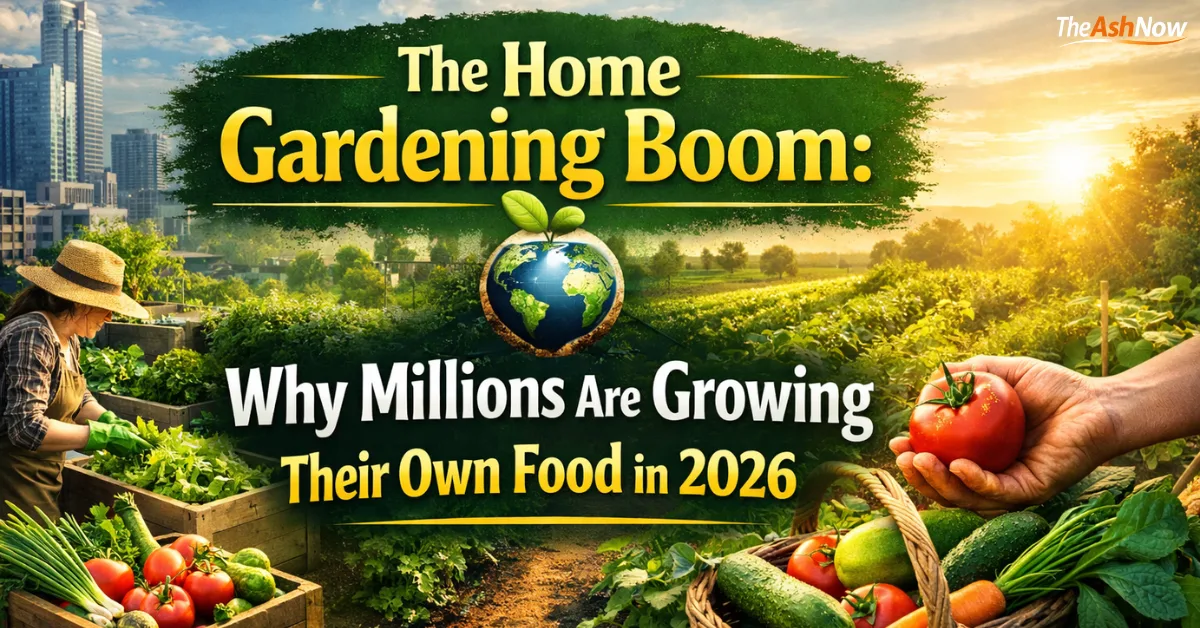
Home Gardening Boom: Something unusual is happening across cities, suburbs, and even high-rise apartments worldwide: people are turning balconies, rooftops, and backyards into food-producing gardens.
Home gardening is no longer just a hobby. In 2026, it has become a global lifestyle shift driven by rising food prices, health awareness, climate anxiety, and a desire for self-reliance.
From New York to Berlin, Tokyo to Toronto, millions of households are quietly reclaiming food production — one tomato plant at a time.
Table of Contents
1. Rising Food Costs Are Forcing a Rethink
Grocery prices have increased steadily over the past few years. Fresh produce, in particular, has become significantly more expensive in urban centers.
Your Leadership Story Deserves the Spotlight
Get featured on TheAshNow — the editorial platform trusted by founders, CEOs & executives worldwide for Google visibility, LinkedIn authority & global recognition.
Apply for Featured Profile →For many families, growing vegetables at home is no longer about fun — it’s about affordability.
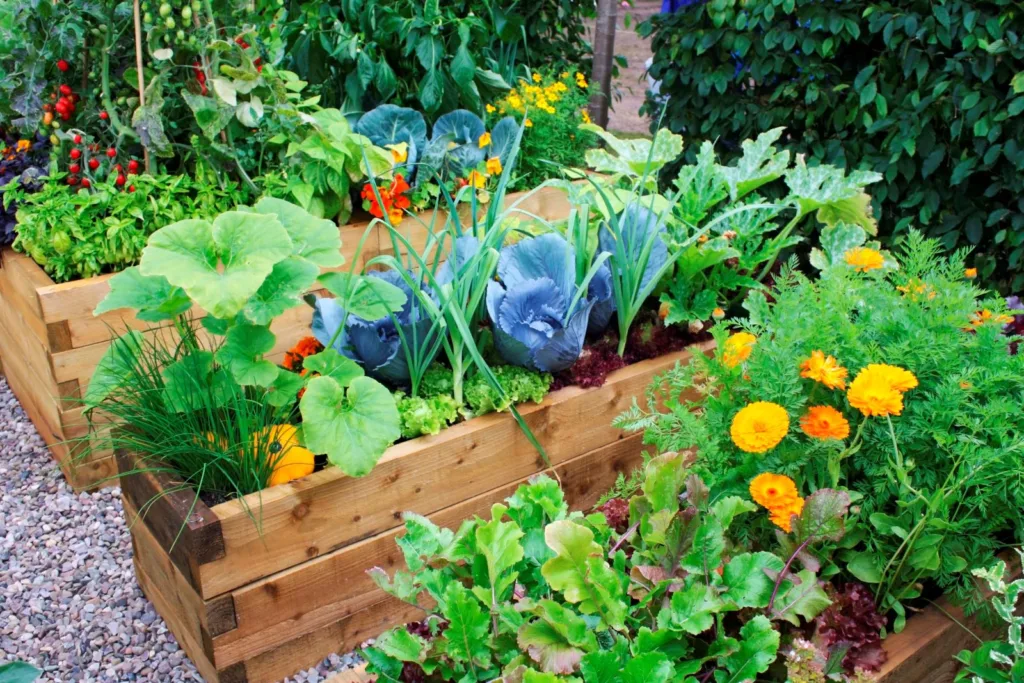
A small balcony garden can now provide:
- Herbs year-round
- Leafy greens every few weeks
- Tomatoes, peppers, and chilies are in season
This can reduce grocery bills while improving food quality.
2. Trust in Industrial Food Is Declining
Consumers are increasingly concerned about:
- Pesticide use
- Ultra-processed foods
- Supply chain disruptions
- Unknown sourcing
Home gardening offers something modern food systems often cannot: transparency.
When you grow your own food, you know exactly:
- What went into the soil
- What chemicals were not used
- When the food was harvested
That sense of control is powerful — and addictive.
3. Urban Gardening Is Redefining Cities
Cities were once seen as incompatible with farming. That idea is now outdated.
Today’s urban gardening includes:
- Balcony farms
- Rooftop greenhouses
- Vertical indoor gardens
- Community micro-farms
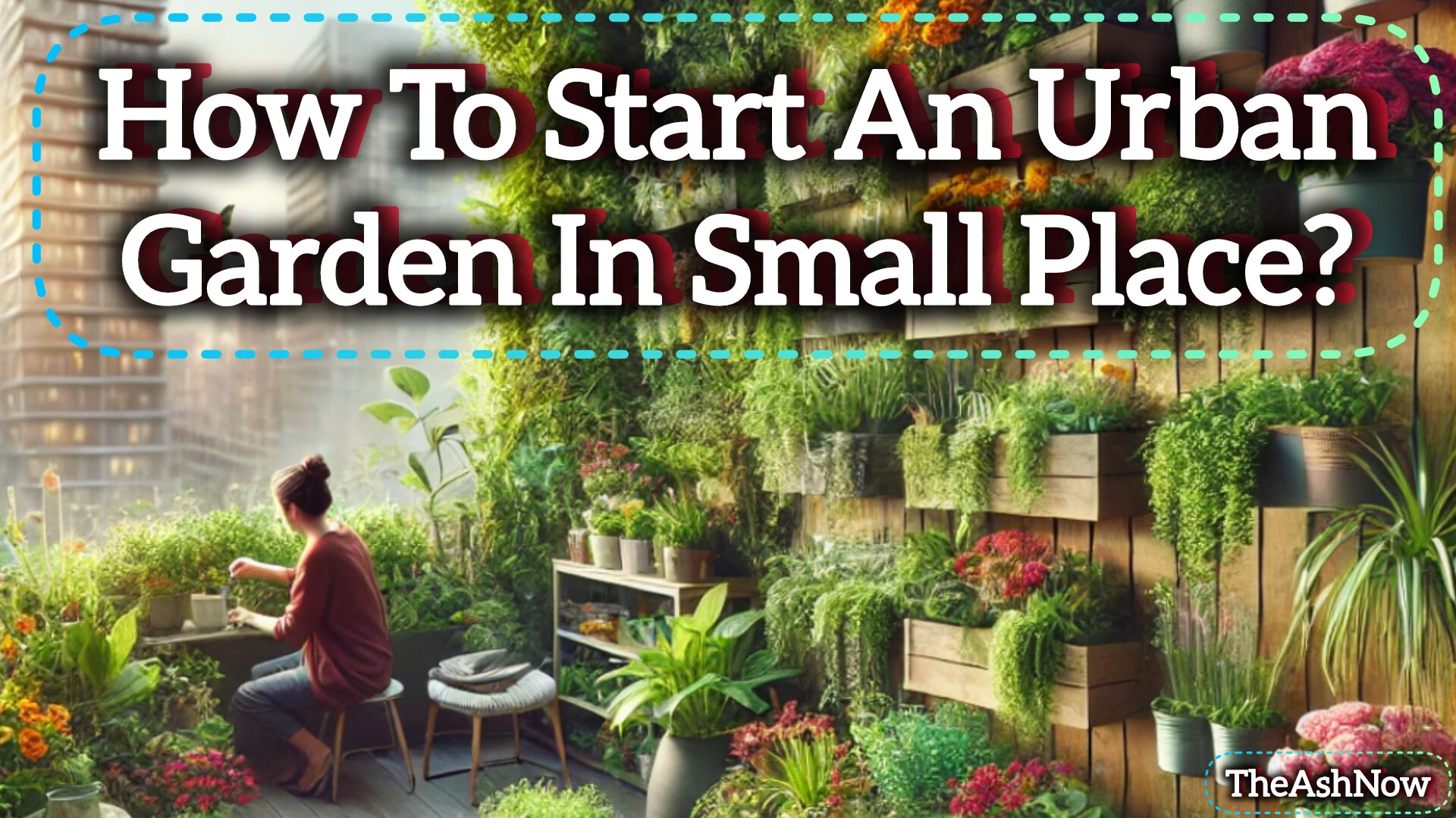
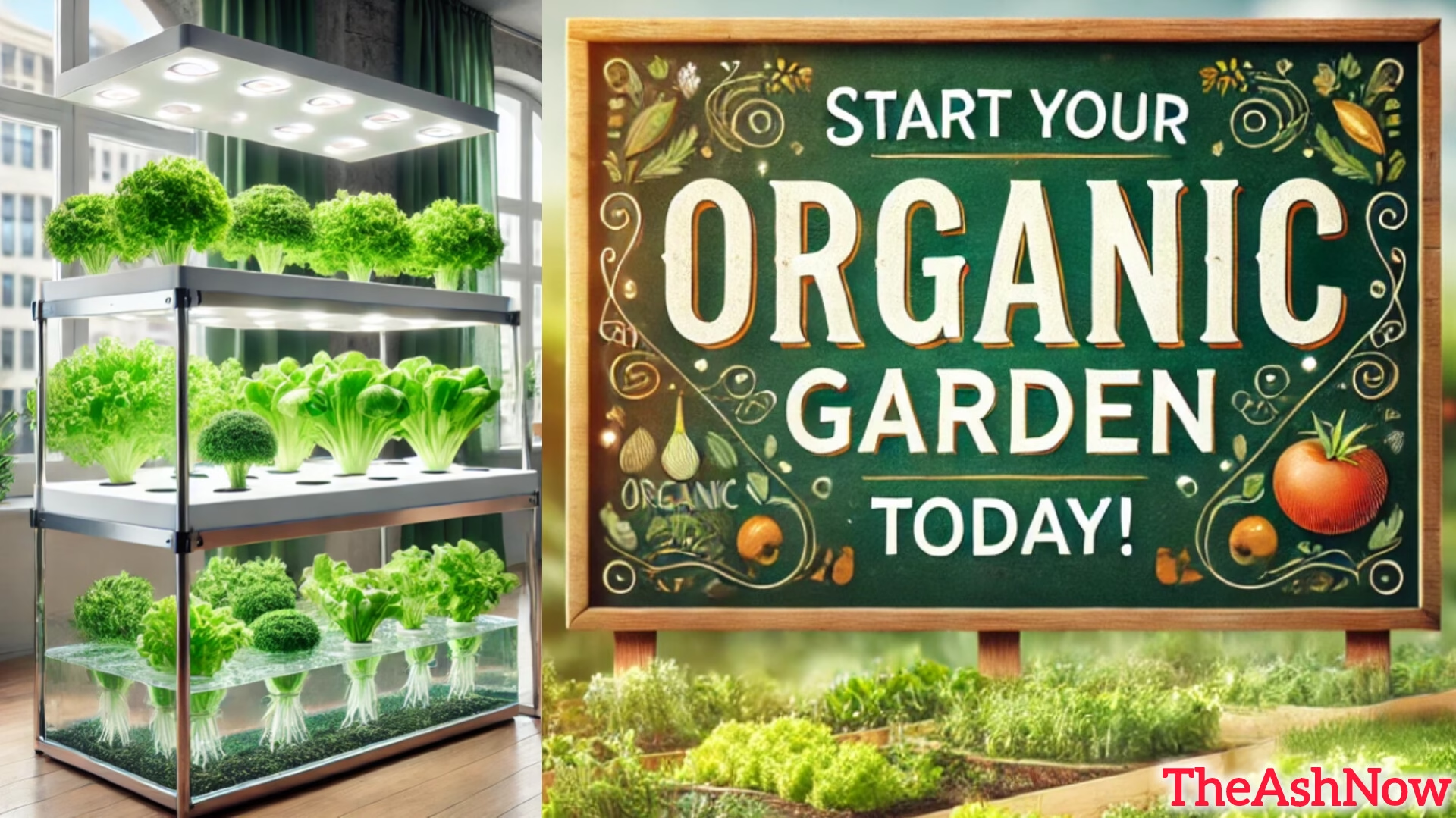
Even small apartments can grow lettuce, basil, mint, and strawberries using vertical racks and LED grow lights.
BUILD YOUR LEGACY IN PRINT
Editorial features for founders, CEOs & executives — engineered for search visibility, LinkedIn credibility & industry authority.
APPLY NOW →Urban spaces are becoming greener — and more resilient.
4. Gardening Is Becoming a Mental Health Tool
In a hyper-digital world, gardening offers something rare: slow, physical, grounding work.
Research increasingly shows that gardening:
- Reduces stress and anxiety
- Improves focus and mood
- Creates a sense of purpose
- Encourages healthier eating habits
For many, tending plants has become a form of therapy.
5. Technology Is Making Gardening Easier Than Ever
Modern home gardening is not old-fashioned — it’s smart.
New tools include:
- App-controlled irrigation systems
- Soil sensors that report nutrient levels
- AI-powered plant care recommendations
- Compact hydroponic kits
These innovations remove the guesswork and make gardening accessible even to beginners.

The Bigger Picture
The home gardening boom is not just about plants. It reflects a deeper shift in how people relate to food, health, and independence.
As the world becomes more uncertain, people are looking for stability in small, personal systems they can control.
A few plants on a balcony may not change the world — but they are changing how millions live.
FAQs: Home Gardening Boom 2026
1. Is home gardening really growing in popularity in the U.S.?
Yes. Home gardening has become a mainstream lifestyle trend in the U.S., especially after rising food prices, supply-chain disruptions, and increased health awareness. Surveys show that millions of American households now grow at least some of their own herbs, vegetables, or fruits — even in apartments and urban settings.
People are not just gardening for fun anymore; they are doing it to save money, eat cleaner food, and gain a sense of independence.
2. Why are people growing their own food in 2026?
People are growing their own food in 2026 mainly because of:
Rising grocery prices
Concerns about pesticides and processed foods
Climate and supply-chain uncertainty
Desire for healthier, fresher food
Mental well-being benefits of gardening
It is a practical, emotional, and financial decision combined into one habit.
3. Is home gardening actually cheaper than buying groceries?
Over time, yes — especially for vegetables, herbs, and leafy greens.
While there is an upfront cost for pots, soil, and seeds, a well-maintained home garden can significantly reduce spending on produce like lettuce, tomatoes, peppers, basil, mint, and spinach, which are often expensive and frequently purchased.
4. What are the easiest foods to grow at home?
The easiest foods for beginners worldwide include:
Basil, mint, and cilantro
Lettuce and spinach
Tomatoes and cherry tomatoes
Green onions
Chilies and peppers
Strawberries
These grow well in containers, balconies, windowsills, and small gardens.
5. Can you grow food indoors without sunlight?
Yes. With modern grow lights and hydroponic systems, people can grow food indoors year-round without direct sunlight.
LED grow lights mimic the sun’s spectrum and allow herbs, greens, and even tomatoes to grow inside apartments, offices, and homes in cold or low-light regions.
6. Does home gardening really help the environment?
Yes. Home gardening reduces:
Carbon emissions from food transport
Plastic packaging waste
Industrial pesticide and fertilizer usage
Food waste (people harvest only what they need)
It is one of the simplest ways individuals can contribute to sustainability.
7. What is urban gardening, and why is it important?
Urban gardening refers to growing food in cities using balconies, rooftops, vertical systems, indoor farms, and community plots.
It is important because:
Over half the world’s population lives in cities
Urban food systems are vulnerable to disruption
Cities need greener, more resilient infrastructure
Urban gardening helps cities become more self-reliant and environmentally friendly.
8. Is home gardening just a trend or a long-term shift?
All signs suggest it is a long-term shift.
As food security, climate awareness, and health consciousness continue to rise, people are increasingly viewing food production as something personal rather than industrial. That mindset is unlikely to reverse.
9. How much space do you need to start a home garden?
Very little.
You can start with:
A windowsill
A balcony corner
A small patio or rooftop
A vertical rack indoors
Even 3–4 pots are enough to grow herbs and greens for daily use.
10. Is home gardening good for mental health?
Yes. Gardening has been shown to reduce stress, anxiety, and symptoms of depression.
The slow, repetitive, natural process of caring for plants helps people disconnect from screens, improve focus, and feel more grounded — which is why gardening is now often recommended as a form of therapy.




[…] The Home Gardening Boom: Why Millions Are Growing Their Own Food in 2026by TheAshNow Team […]
[…] The Home Gardening Boom: Why Millions Are Growing Their Own Food in 2026 […]
[…] The Home Gardening Boom: Why Millions Are Growing Their Own Food in 2026by TheAshNow Team […]