
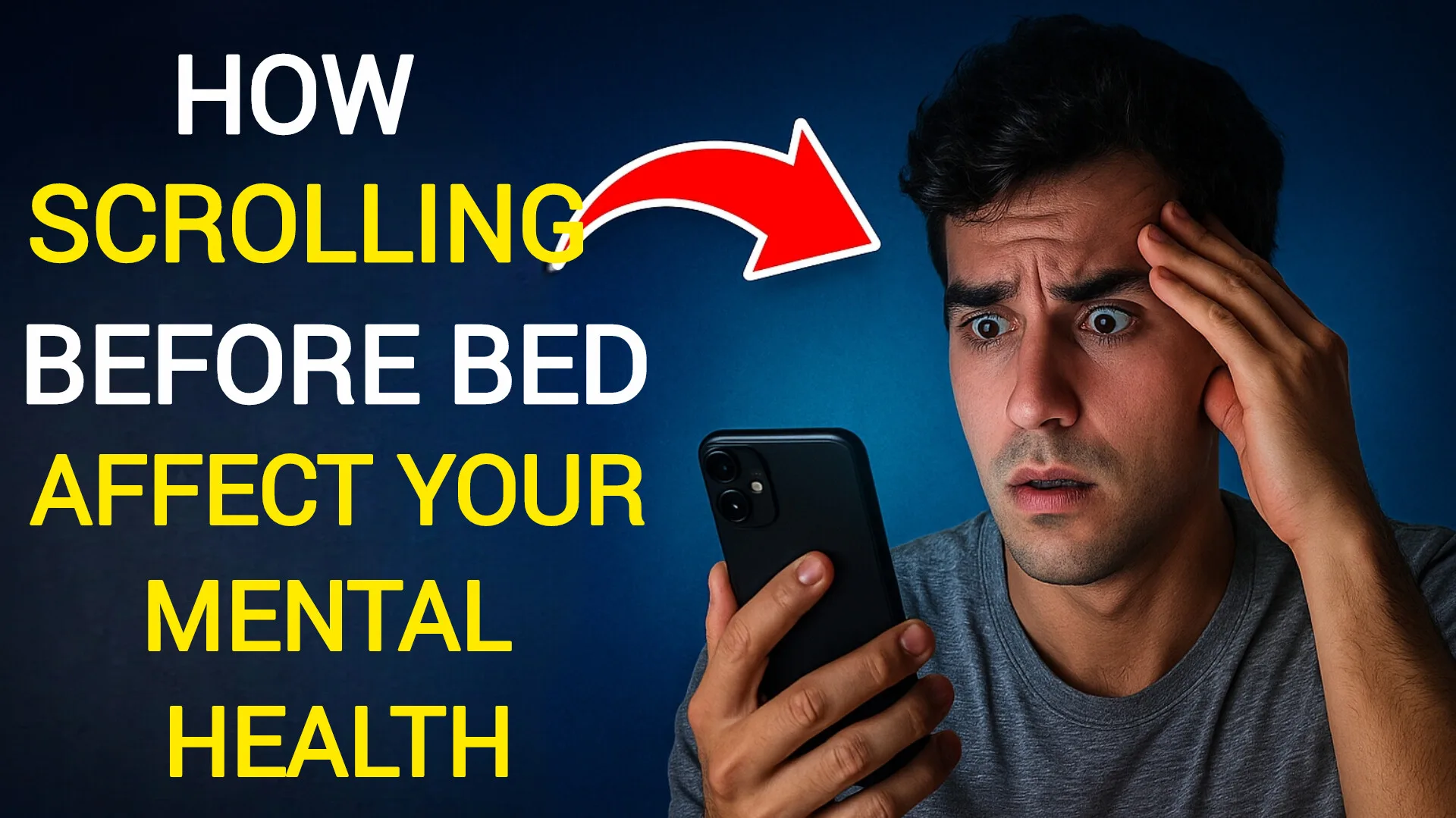
In today’s hyper-connected world, bedtime has become less about rest and more about reels, stories, and endless feeds. Many of us grab our phones “for just a few minutes” before bed, only to realize we’ve spent an hour doomscrolling through news, social media, or videos. What seems like a harmless habit is quietly reshaping our minds, sleep cycles, and emotional well-being.
This article explores the psychological impact of scrolling before bed, how it affects your brain, mood, and mental health, and what you can do to reclaim peace and sleep. Whether you’re struggling with insomnia, feeling mentally drained, or battling anxiety, understanding the science behind this behavior can help you take meaningful steps toward healthier nights.
Table of Contents
- Digital Detox Strategies the World Needs Right Now

- Benefits of Digital Detox in a Hyper-Connected World
- Inside a Digital Detox Retreat — Life Without Screens
- Best Digital Detox Apps to Beat Phone Addiction in 2026
- The Digital Detox Book for a Calmer Mind





🔍What Is Bedtime Scrolling and Why Is It So Addictive?
Bedtime scrolling refers to using smartphones or devices in bed, often while lying down, right before sleep. It’s one of the most common tech habits in modern households, especially among teens, students, and professionals.
Your Leadership Story Deserves the Spotlight
Get featured on TheAshNow — the editorial platform trusted by founders, CEOs & executives worldwide for Google visibility, LinkedIn authority & global recognition.
Apply for Featured Profile →Why is it so addictive?
- Dopamine release: Every like, message, or update gives your brain a dopamine hit, creating a reward loop.
- Endless content: Infinite scroll features make it hard to stop.
- FOMO (Fear of Missing Out): Fear of missing news, updates, or trends keeps users online longer.
- Lack of boundaries: The bed has become a workspace, entertainment zone, and social arena.
This constant connectivity overstimulates your brain at a time when it should be winding down.

🌙How Screen Time Before Sleep Disrupts Your Brain
Your brain is hardwired to follow a circadian rhythm—a 24-hour internal clock that regulates sleep and wakefulness. Bright lights, especially blue light from screens, signal your brain to stay alert by suppressing melatonin (the sleep hormone).
Key psychological disruptions include:
- Delayed sleep onset (taking longer to fall asleep)
- Interrupted deep sleep
- Reduced REM sleep, which is crucial for memory and emotional processing
- Daytime fatigue and mood swings
These changes impair focus, decision-making, and emotional regulation.
😰Increased Anxiety and Mental Overstimulation
When you scroll through social media or news platforms before bed, your brain is absorbing a barrage of information—some inspiring, but much of it stressful or negative.
Effects of bedtime scrolling on anxiety:
- Overexposure to distressing news increases cortisol (stress hormone) levels.
- Social comparison on platforms like Instagram can trigger feelings of inadequacy.
- Information overload keeps your brain “switched on,” even after you put your phone down.
- Constant engagement prevents the mind from calming down, leading to overthinking and racing thoughts.
This pattern fuels nighttime anxiety, one of the leading causes of sleep disturbances.
💔Social Media and Its Effect on Self-Esteem at Night
During late-night hours, your mind is naturally reflective. Unfortunately, this makes it more susceptible to the curated perfection of others’ lives on social media.
Negative psychological impacts:
- Lower self-worth after comparing yourself to idealized images or achievements
- Increased loneliness from seeing social interactions you’re not part of
- Body image issues caused by constant exposure to filtered photos
- FOMO, triggering anxiety about missing out on events, trends, or news
The more you scroll, the more trapped you feel in a cycle of self-doubt and dissatisfaction.
🧪Scientific Studies That Prove the Damage
Several studies link bedtime phone use to poor mental health outcomes. A few key findings:
- A 2020 study in the Journal of Behavioral Addictions found that participants who scrolled for more than 30 minutes before bed had a 67% higher chance of insomnia and depression.
- Research published in Sleep Health revealed that late-night screen time reduced total sleep time by an average of 40 minutes.
- A 2019 study in JAMA Pediatrics highlighted that teens who used phones in bed were twice as likely to suffer from anxiety and disrupted sleep.
These findings reflect growing concerns among sleep scientists and psychologists about the digital bedtime ritual.
🔁Scrolling and the Cycle of Sleep Deprivation
Here’s how the cycle usually plays out:
BUILD YOUR LEGACY IN PRINT
Editorial features for founders, CEOs & executives — engineered for search visibility, LinkedIn credibility & industry authority.
APPLY NOW →- You scroll before bed →
- You sleep later and worse →
- You wake up tired and irritable →
- You need a dopamine boost (from more scrolling during the day) →
- Repeat
This loop reinforces both poor sleep and psychological stress, weakening your emotional resilience over time.
🧠Impact on Focus, Memory, and Mental Performance
Sleep isn’t just about rest—it’s when your brain files memories, detoxifies itself, and processes emotions. When bedtime scrolling interferes with that, your next-day performance suffers.
Common effects:
- Poor concentration
- Forgetfulness
- Low energy and mood
- Decreased creativity
- Reduced problem-solving skills
These symptoms are especially harmful for students, working professionals, and anyone with mentally demanding responsibilities.

🔥Warning Signs You’re Over-Scrolling at Night
It’s not always obvious that your mental health is suffering from bedtime scrolling. Here are some signs to watch for:
- You feel tired even after 7–8 hours of sleep
- You often fall asleep with your phone in hand
- You experience anxiety or sadness after scrolling
- You find it difficult to fall asleep without using your phone
- You spend 30+ minutes in bed on your phone regularly
If you identify with more than two of these signs, it may be time to reset your bedtime routine.
🌱How to Stop Scrolling Before Bed (Without Feeling Deprived)
Breaking the scrolling habit can feel hard, but it’s doable—and worth it. Here are science-backed strategies to reduce nighttime phone use:
📵1. Set a Screen Curfew
- Turn off screens 30–60 minutes before bed
- Use “Do Not Disturb” or focus mode
🕯️2. Create a Relaxing Bedtime Ritual
- Read a physical book
- Journal about your day
- Practice deep breathing or meditation
💡3. Use Blue Light Filters
- Enable night mode or use apps like f.lux
- Switch to warm lighting in the bedroom
⏰4. Keep Your Phone Away from Your Bed
- Charge it across the room or in another space
- Use an analog alarm clock
🎧5. Try Sleep-Friendly Apps
- Use white noise, ASMR, or sleep story apps (without visuals)
- Avoid stimulating content like news, YouTube, or TikTok
💬Conclusion
Scrolling before bed may feel like a harmless habit, but its psychological impact is far-reaching. It silently affects your sleep, mental health, memory, and emotional stability. The late-night dopamine fix comes at a high cost—your long-term well-being.
However, the power to break this cycle lies with you. By creating healthy boundaries around your screen time and developing calming nighttime rituals, you can improve your sleep, sharpen your focus, and protect your mental peace. Choose rest over reels. Choose clarity over chaos.
❓Top 5 Searched FAQs About Scrolling Before Bed
1. Is scrolling before bed bad for your brain?
Yes. It delays sleep, reduces melatonin, and increases brain stimulation—making it harder to fall and stay asleep.
2. How does scrolling affect your mental health?
It can lead to anxiety, low self-esteem, sleep disruption, and depressive thoughts due to overstimulation and social comparison.
3. What are better alternatives to scrolling before sleeping?
Reading a book, meditating, journaling, or listening to calming music are healthier bedtime activities.
4. How long before bed should you stop using your phone?
Experts recommend avoiding screens at least 30–60 minutes before sleep for better rest and mental calm.
5. Can blue light affect sleep quality?
Yes. Blue light suppresses melatonin production and disrupts the circadian rhythm, leading to poor sleep quality.






[…] How Scrolling Before Bed Affects Your Mental Health – TheAshNowby TheAshNow Team […]