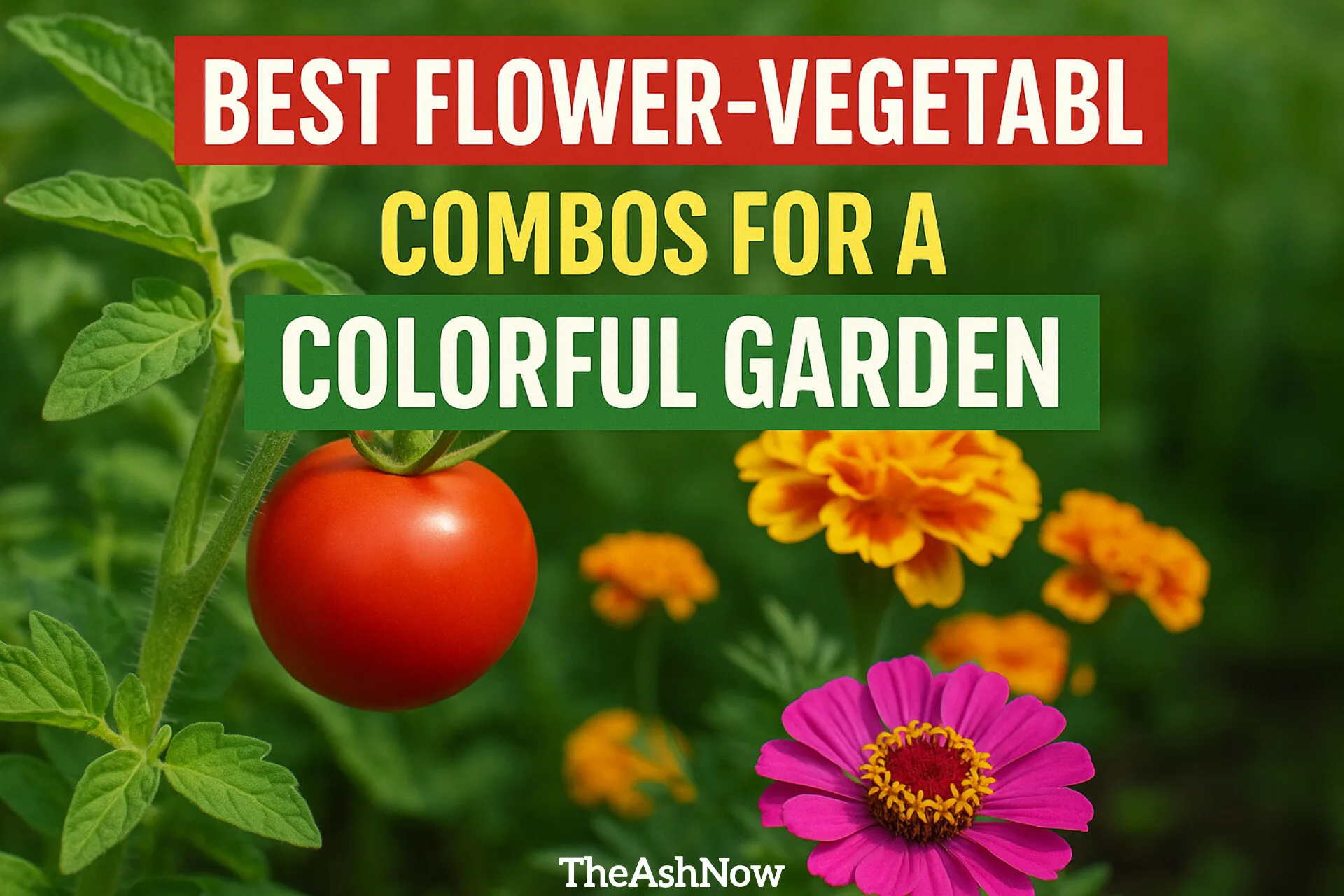
Grow Beauty with Bounty – Smart Companion Pairings for Stunning & Productive Gardens (Flower-Vegetable Combos)
🌿Introduction: The Best of Both Worlds
Combining flowers with vegetables isn’t just about aesthetics—it’s a strategic gardening method backed by centuries of tradition and modern science. Companion planting enhances pollination, pest control, soil health, and overall garden productivity.
In this post, you’ll explore the best flower-vegetable pairings that deliver vibrant color, aroma, and high yields—perfect for small urban patios or large permaculture plots. Whether you’re a beginner or a pro gardener, this post brings you global best practices and science-backed combinations that thrive together.
Table of Contents
You Can Read More Post Related To Home Gardening
Your Leadership Story Deserves the Spotlight
Get featured on TheAshNow — the editorial platform trusted by founders, CEOs & executives worldwide for Google visibility, LinkedIn authority & global recognition.
Apply for Featured Profile →- Simple Home Gardening Tips for Busy People

- Home Gardening Ideas Everyone Is Trying in 2026
- How to Grow a Micro Garden Anywhere: Balcony, Patio, Apartment Tips for Every Season
- Top 20 Water-Wise Gardening Ideas That Save You Time, Money, and Water
- The Home Gardening Boom: Why Millions Are Growing Their Own Food in 2026
✅Benefits of Flower-Vegetable Combinations
🐝1. Pollinator Attraction
Bright flowers draw bees, butterflies, and beneficial insects that pollinate vegetables, increasing your yields.
🛡️2. Natural Pest Control
Certain flowers repel harmful pests while inviting predators that feed on them (e.g., ladybugs for aphids).
🌱3. Soil Health Improvement
Some combos improve nutrient uptake or deter root-borne diseases.
🌈4. Visual Appeal & Space Optimization
Why settle for a bland vegetable patch? These combos elevate garden aesthetics while making the best use of space.
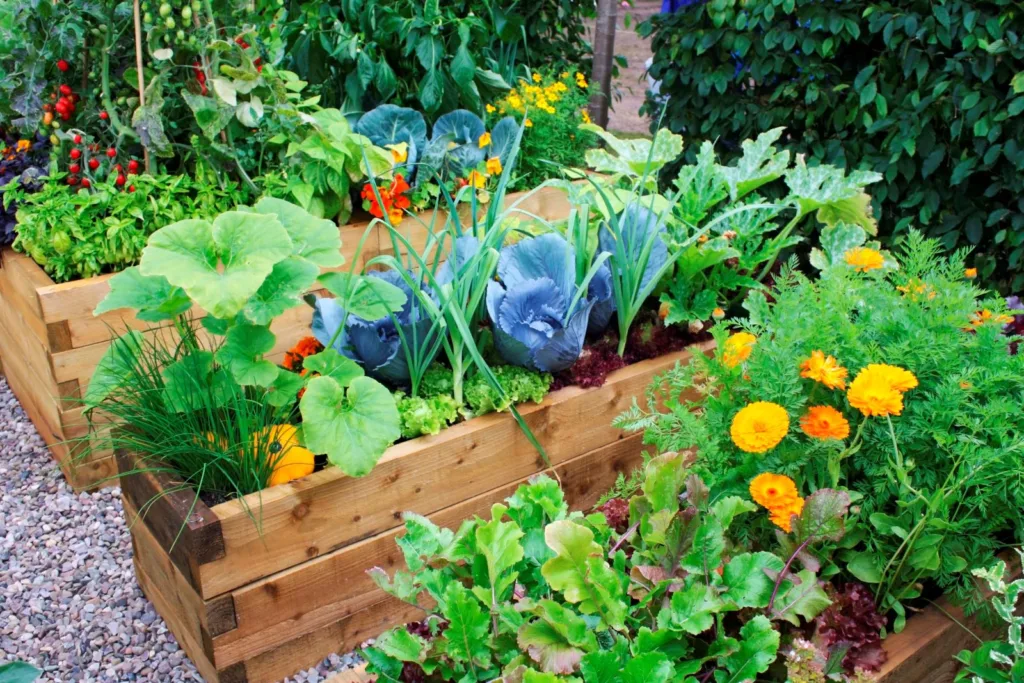
🌟Top 10 Flower-Vegetable Combos for a Colorful, Productive Garden
1. Tomatoes + Marigolds (Tagetes spp.)
- Why it works: Marigolds release alpha-terthienyl, a compound that deters nematodes and aphids.
- Scientific Backing: A 2019 study in the Journal of Pest Science confirms marigolds as effective in pest management.
- Added Bonus: Bright orange/yellow blooms make tomato beds more inviting.
🌱Tip: Use French marigolds (Tagetes patula) for the strongest pest-repelling effect.
2. Cabbage Family (Brassicas) + Nasturtiums
- Why it works: Nasturtiums act as trap crops, luring aphids and cabbage loopers away from broccoli, kale, and cauliflower.
- Pollination Bonus: Their trailing vines attract hoverflies and predatory wasps.
- Color Appeal: Deep orange and red nasturtiums contrast beautifully with leafy greens.
🌱Tip: Let nasturtiums sprawl around cabbage to form a visual and protective barrier.
3. Carrots + Chamomile
- Why it works: Chamomile enhances the essential oil production of nearby plants and improves carrot flavor.
- Scientific Note: Chamomile releases sulfur compounds that deter fungal diseases.
- Aesthetics: White daisy-like flowers create a peaceful cottage-garden vibe.
🌱Tip: Plant chamomile sparsely among carrots to prevent overcrowding.
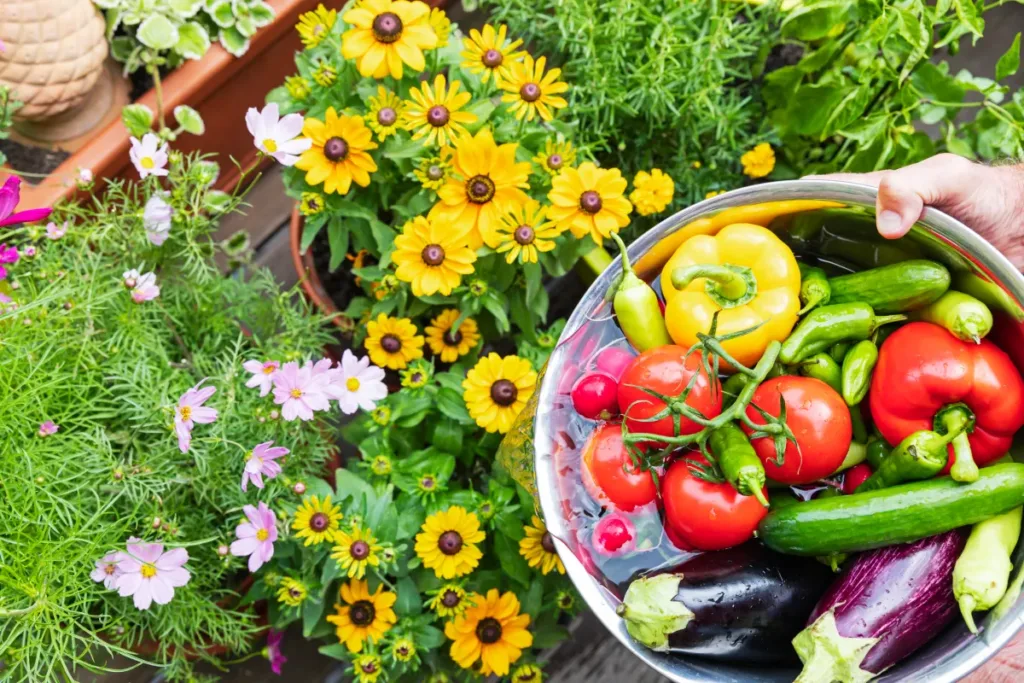
4. Corn + Sunflowers
- Why it works: Sunflowers distract birds from corn cobs while enhancing pollinator activity.
- Structural Synergy: Both are tall, but sunflowers bloom earlier, bringing color before corn tassels.
- Soil Bonus: Both improve nitrogen fixation when rotated properly.
🌱Tip: Use dwarf sunflower varieties to avoid overshadowing corn.
5. Lettuce + Alyssum (Lobularia maritima)
- Why it works: Alyssum attracts hoverflies, which prey on aphids that love lettuce.
- Climate Bonus: Alyssum provides partial shade, reducing lettuce bolting in hot weather.
- Visual Impact: Delicate white/purple flowers create a soft border around leafy greens.
🌱Tip: Interplant densely for a living mulch effect.
6. Squash + Borage
- Why it works: Borage is a bee magnet, essential for squash pollination.
- Health Benefit: Borage repels hornworms and improves squash resistance to pests.
- Aesthetic Touch: Blue star-shaped flowers contrast wonderfully with squash vines.
🌱Tip: Borage reseeds easily—plant once and enjoy yearly blooms.
7. Peppers + Petunias
- Why it works: Petunias repel aphids, asparagus beetles, and leafhoppers.
- Growth Harmony: Compact petunias fit neatly around pepper plants.
- Color Boost: Their bright pink, purple, or red hues enrich the garden visually.
🌱Tip: Use wave petunias for maximum ground coverage and beauty.
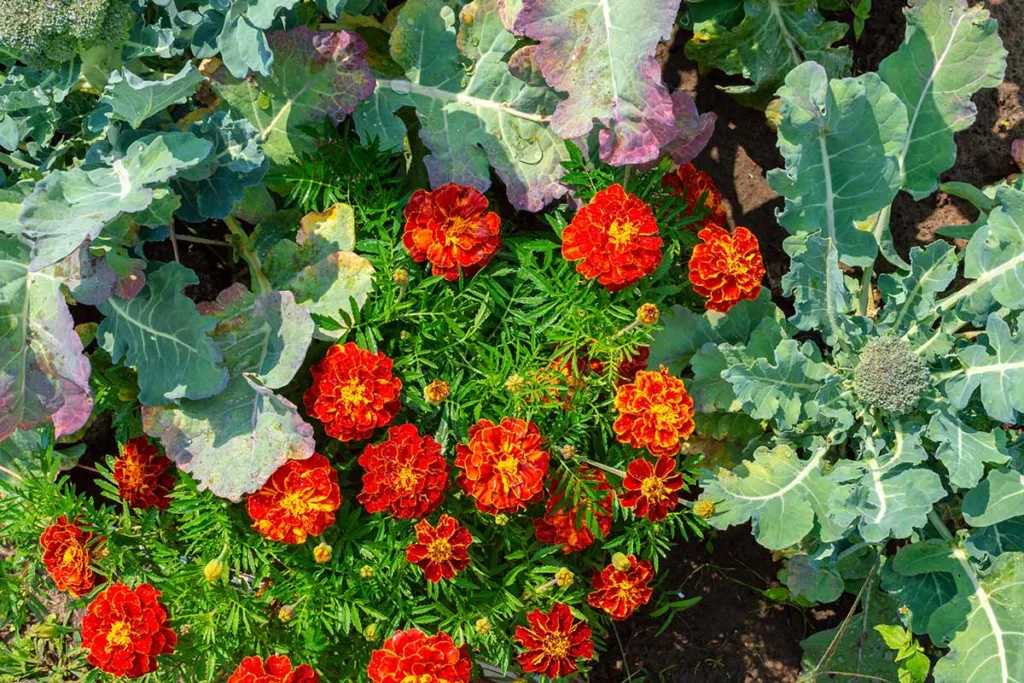
8. Beans + Zinnias
- Why it works: Zinnias attract ladybugs and lacewings, reducing aphid populations on beans.
- Growth Benefit: Beans add nitrogen to the soil, helping flower growth.
- Eye-Candy Effect: Zinnias bloom in bold colors—red, magenta, yellow—boosting garden appeal.
🌱Tip: Choose tall zinnias for bush beans and dwarf ones for pole varieties.
9. Cucumbers + Cosmos
- Why it works: Cosmos flowers bring in bees and tachinid flies (natural enemies of cucumber beetles).
- Sun-Loving Combo: Both thrive in full sun and similar moisture levels.
- Floral Bonus: Their feathery foliage adds texture among cucumber vines.
🌱Tip: Stake cosmos to prevent them from tangling with cucumber vines.
10. Eggplants + Calendula
- Why it works: Calendula (pot marigold) repels aphids and flea beetles—two eggplant enemies.
- Medicinal Edge: Calendula also improves the soil microbiome due to its antifungal properties.
- Garden Glow: Its cheerful orange/yellow flowers bring a sunny disposition to eggplant beds.
🌱Tip: Deadhead calendula regularly to encourage continuous blooming.
🧠Bonus: Designing Your Colorful Garden
🧭Layout Ideas:
- Row Planting: Alternate vegetable rows with flower strips for pollination corridors.
- Container Combo: Great for balconies—pair compact veg like chili with petunias or nasturtiums.
- Vertical Pairing: Grow beans with trellised flowering vines like sweet peas for a living wall.
📚Scientific Backing & Resources
- “Companion Planting for Insect Control” – USDA Agricultural Research Service
- Journal of Applied Ecology (2021): “Enhancing Ecosystem Services via Plant Diversity”
- Royal Horticultural Society (RHS) – Pollinator Garden Strategies
- American Journal of Botany (2018): “Floral Volatiles in Integrated Pest Management”
- Cornell University – Vegetable Pest Management Guidelines
- National Wildlife Federation – Gardening for Pollinators
- Digital Detox Strategies the World Needs Right Now
- Benefits of Digital Detox in a Hyper-Connected World
- Inside a Digital Detox Retreat — Life Without Screens
- Best Digital Detox Apps to Beat Phone Addiction in 2026
- The Digital Detox Book for a Calmer Mind





🌿Final Thoughts: A Garden That Works for You
Combining flowers and vegetables isn’t just a gardening trend—it’s a science-backed, ecosystem-enriching strategy that enhances beauty, biodiversity, and bounty. Whether you’re an urban grower with pots or managing a rural homestead, these combos offer form, function, and flourishing results.
Planting a colorful and productive garden is more than soil and seeds—it’s about creating harmony between beauty and biology.
Here are 5 top-searched FAQs on Google related to flower-vegetable combinations in gardening, optimized for SEO and helpful for global audiences:
🌿FAQs: Flower-Vegetable Combos for a Colorful Garden
1. What flowers should I plant with vegetables to keep pests away?
Marigolds, nasturtiums, calendula, and petunias are excellent for natural pest control. They deter aphids, nematodes, and beetles while attracting beneficial insects like ladybugs and hoverflies.
2. Can I plant flowers and vegetables in the same raised bed or container?
Yes! Many flowers like marigolds, alyssum, and zinnias grow well in containers and raised beds with vegetables. Just ensure they have similar sunlight, water, and soil requirements.
BUILD YOUR LEGACY IN PRINT
Editorial features for founders, CEOs & executives — engineered for search visibility, LinkedIn credibility & industry authority.
APPLY NOW →3. Which flowers attract pollinators to vegetable gardens?
Borage, cosmos, sunflowers, and chamomile are among the top flowers that attract bees, butterflies, and other pollinators, boosting yields for crops like cucumbers, squash, and tomatoes.
4. Is companion planting with flowers scientifically proven?
Yes. Studies from Cornell University, RHS, and the USDA confirm that strategic flower-vegetable pairings improve pest management, pollination, and even soil health, leading to higher productivity.
5. What are the best low-maintenance flower-vegetable combos for beginners?
Start with tomatoes + marigolds, lettuce + alyssum, or squash + borage. These combos are easy to grow, offer great visual appeal, and provide natural garden benefits with minimal care.